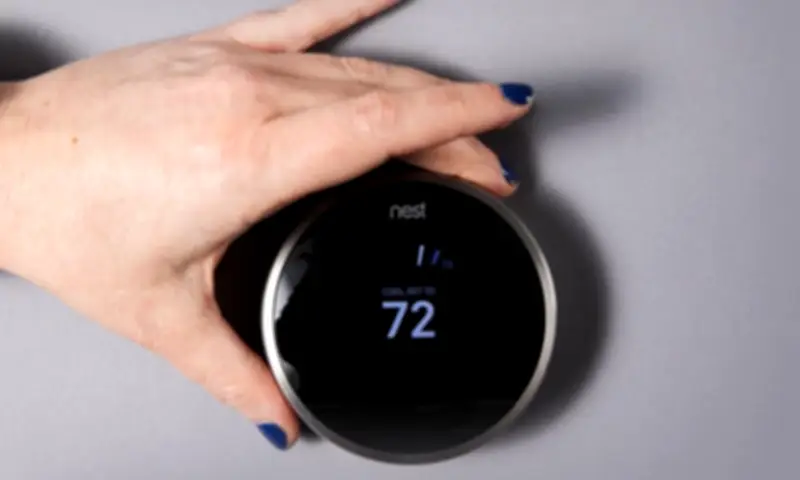
Tony Fadell, the legendary product maker behind the iPhone, turned his attention to a mundane household device: the thermostat. His frustration with outdated, expensive temperature controls led him to create Nest, a company that aimed to reinvent the thermostat and change how homes work forever. The Verge's Version History podcast dedicates its third episode of the fourth season to the early days of Nest, featuring insights from David Pierce, Nilay Patel, and Jennifer Pattison Tuohy.
Fadell's Return to Product Design
After helping create one of the most successful products ever, Fadell retired only to be dragged back by a personal experience. He found thermostats to be inefficient and overpriced, sparking his swift entry back into the product scene. Nest was remarkably successful, remarkably quickly, largely due to Fadell's vision and drive. The thermostat itself, however, was a mixed bag. It got many things right—Nest's big idea about the future of smart homes was eventually proven correct—but it also missed the mark in some important ways. It shipped with a notable screwdriver, a detail that became iconic.
Key Insights from Version History
The episode is part of the smart home season, which also covered the Harmony remote and the Roomba vacuum. Listeners can access the podcast via The Verge's feed, YouTube channel, or social media accounts on TikTok and Instagram. Subscribers enjoy ad-free listening. For those wanting to dive deeper, The Verge provides links to articles such as 'Inside the Nest: iPod creator Tony Fadell wants to reinvent the thermostat' and 'The heat is on: Honeywell is finally challenging the Nest thermostat.' Other resources include pieces from The New York Times, IEEE Spectrum, and First Article.

Impact and Legacy
Nest's thermostat disrupted the home heating market, forcing competitors like Honeywell to innovate. Fadell's approach combined sleek design with smart technology, paving the way for the modern smart home ecosystem. According to The Verge's podcast, the Nest Learning Thermostat set a standard for energy efficiency and user experience. However, early versions had limitations, such as compatibility issues with certain HVAC systems. Despite these flaws, Nest's influence is undeniable, and its acquisition by Google further cemented its role in the tech landscape.