The Promise and Peril of Lithium-Ion Batteries
Lithium-ion batteries have become ubiquitous in the 21st century, powering everything from smartphones to e-bikes. However, their volatile liquid electrolytes pose significant fire and explosion risks, as seen in numerous recalls and incidents. In 2025, the US Consumer Product Safety Commission recalled nearly 1.9 million power banks from brands like Anker and Baseus, along with tens of thousands of e-bikes, due to fire hazards.
The Elusive Solid-State Battery
For over a decade, solid-state batteries have been hailed as the solution, promising non-flammable, high-energy-density cells. Yet, they remain in development, with claims of breakthroughs often debunked. Donut Lab's purported "miracle" solid-state battery, for instance, was thoroughly discredited by independent experts.
Enter Semi-Solid-State Batteries
While the world awaited solid-state, a new class of batteries has quietly emerged: semi-solid-state batteries. These use a gel-like electrolyte that bridges the gap between liquid and solid, offering improved safety and performance without requiring entirely new manufacturing infrastructure. They are less prone to thermal runaway and have longer lifespans.

Adoption in Power Banks and E-Bikes
In April 2025, Kuxiu introduced what it claimed was the world's first semi-solid-state power bank. Since then, several brands have followed suit. These power banks pack more energy, perform better in cold weather, and have two to three times longer lifetimes than traditional lithium-ion units. Promotional videos often demonstrate their resilience to punctures and impacts without igniting.
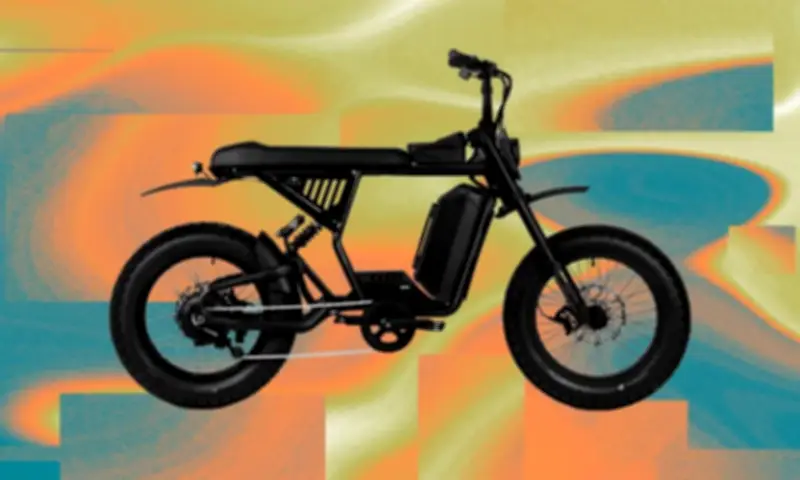
The e-bike industry has also embraced the technology. Ride1Up launched the Revv1 EVO, billed as the first semi-solid-state e-bike, with a 1,040Wh battery capable of over 1,200 charging cycles. Giant, a global cycling giant, announced plans for five mass-produced e-bikes using similar batteries from Heyuan Lithium Inno and T&D, promising 50% more capacity and 21% weight reduction.
Smartphones and Beyond
Chinese smartphone makers like Vivo have integrated semi-solid-state electrolytes with silicon-carbon anodes in devices like the X200 series and X300 Ultra. These batteries offer higher energy density and improved safety. The technology is also being tested in drones, EVs, and home backup power stations.
Regulatory Drivers
Stricter Chinese regulations, effective December 2025, require e-bike batteries to pass puncture tests without fire or explosion. Power banks must meet rigorous standards to obtain China's CCC mark for air travel. These rules incentivize manufacturers to adopt semi-solid-state designs, which naturally comply. As production scales, costs will drop, benefiting global markets.
The Road Ahead
True solid-state batteries remain a decade away, according to Lotus's CEO. Meanwhile, semi-solid-state technology is gaining traction across industries. Chinese EVs, like SAIC's MG 4X with SolidCore batteries, are leading adoption. In the US, a patchwork of regulations has failed to ensure battery safety, but wider adoption of semi-solid-state cells could change that.
For now, semi-solid-state batteries represent a practical, safer alternative that is already making an impact. While the quest for solid-state continues, these gel-based batteries are proving that incremental innovation can deliver substantial benefits.