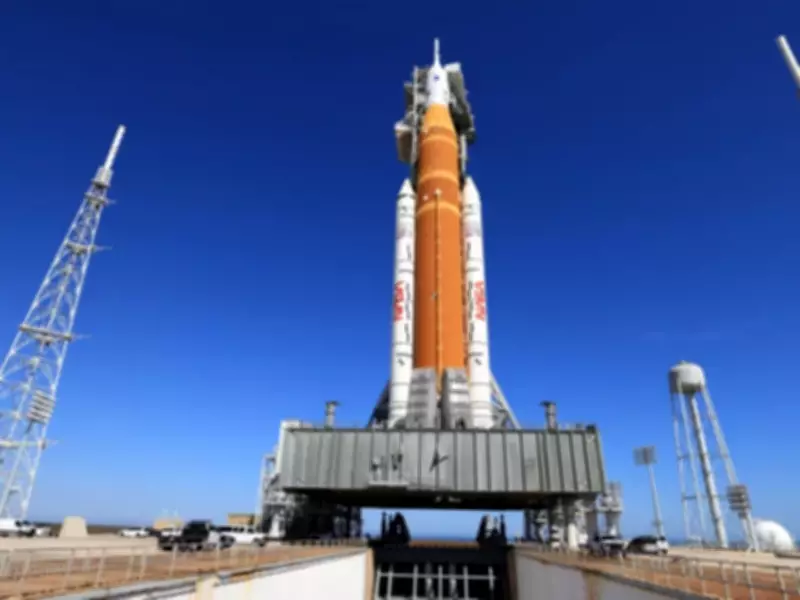
Artemis II Mission Prepares for Historic Crewed Moon Launch
NASA is gearing up for the Artemis II mission, a groundbreaking endeavor that will send a crewed spacecraft to orbit the Moon. This mission represents a significant milestone in space exploration, as it aims to pave the way for future lunar landings and eventual human missions to Mars. The launch is scheduled for the coming months, with extensive preparations underway to ensure safety and success.
Key Objectives and Crew Details
The primary goal of Artemis II is to test the Orion spacecraft's systems with astronauts on board, conducting a flyby of the Moon before returning to Earth. This mission will validate critical technologies and operational procedures necessary for long-duration space travel. The crew, consisting of four astronauts, will spend approximately 10 days in space, gathering valuable data and experience.
This mission is a crucial step in NASA's Artemis program, which seeks to establish a sustainable human presence on the Moon by the end of the decade. The data collected from Artemis II will inform the design and execution of Artemis III, which plans to land astronauts on the lunar surface.

Technological Innovations and Challenges
Artemis II incorporates several advanced technologies, including the Space Launch System (SLS) rocket, the most powerful ever built, and the Orion capsule designed for deep-space missions. Engineers are addressing challenges such as radiation protection, life support systems, and communication delays to ensure crew safety during the journey.
The success of this mission could revolutionize space exploration, opening new opportunities for scientific research and international collaboration. NASA is working closely with international partners and private companies to enhance mission capabilities and reduce costs.
Impact on Future Space Exploration
Beyond lunar exploration, Artemis II sets the stage for ambitious goals, including Mars missions and beyond. The mission's outcomes will influence global space policies and inspire a new generation of scientists and engineers. As preparations intensify, the world watches with anticipation for this historic launch.