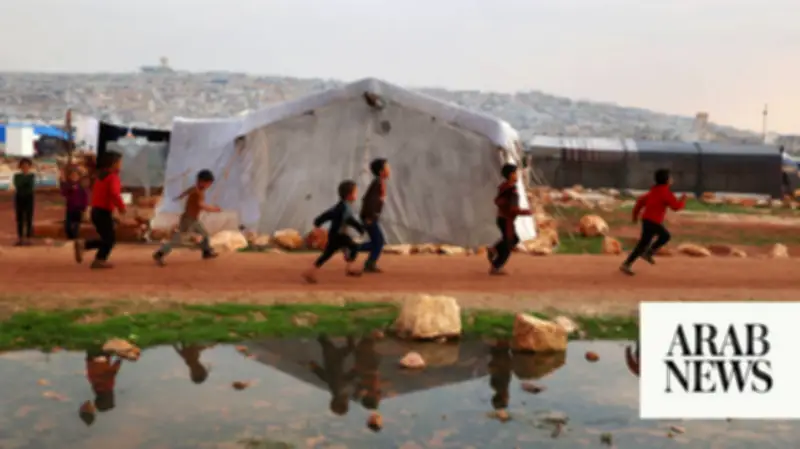
The United Nations has reported that over 13 million people in Syria—more than half the population—are experiencing acute food insecurity. The warning came on Tuesday from the UN's Food and Agriculture Organization (FAO), which emphasized the urgent need to clear agricultural fields contaminated with unexploded ordnance to revive the country's war-torn agriculture sector.
Agriculture at a Pivotal Moment
“Syria’s agriculture sector is at a pivotal moment,” said Pirro-Tomaso Perri, the FAO’s acting representative in the country. “After 14 years of conflict, recurrent droughts, economic hardship, damaged irrigation, weakened services, disrupted markets, and widespread explosive ordnance contamination, rural livelihoods remain under severe pressure.”
Perri stated that approximately 13.4 million people are currently facing high levels of acute food insecurity. For many rural Syrians, everyday activities such as cultivating land, grazing animals, and harvesting crops have become life-threatening due to the prevalence of landmines and unexploded ordnance.

Impact of Explosive Ordnance
The Syrian civil war, which began in 2011 with President Bashar Assad’s brutal crackdown on anti-government protests, has claimed over half a million lives and devastated the country’s infrastructure. Assad was eventually ousted in December 2024. Since then, Perri noted, 1,299 explosive ordnance-related incidents have been recorded in Syria, resulting in 2,325 casualties.
“Agricultural and grazing areas continue to account for the majority of recorded incidents,” Perri told a press conference in Geneva. With vast areas contaminated and limited clearance capacity, the FAO is developing prioritization plans to identify where clearance efforts could have the greatest impact on food production.
FAO’s Emergency Plan
Once land is made safe, the FAO plans to support farmers and herders with irrigation, seeds, animal feed, and veterinary services. The FAO Emergency Resilience Plan for 2026-2028 aims to assist 9.8 million people and requires $286 million in funding.
“Our pledge is to continue supporting Syrian farmers, herders, and rural communities,” said Perri, “so that agriculture can provide food security, restore livelihoods... and help Syria move from emergency to sustainable recovery.”