Global Death Toll and Unusual Demographics
The Spanish Flu pandemic of 1918 remains one of the deadliest disease outbreaks in human history, claiming an estimated 50 million lives worldwide. Unlike typical influenza strains, the H1N1 virus disproportionately affected healthy young adults aged 20-40. According to historical records, the disease caused rapid deterioration and death, often within days of symptom onset. This unusual demographic pattern puzzled medical professionals at the time, as influenza usually poses the greatest risk to the very young and the elderly.
Spread During World War I
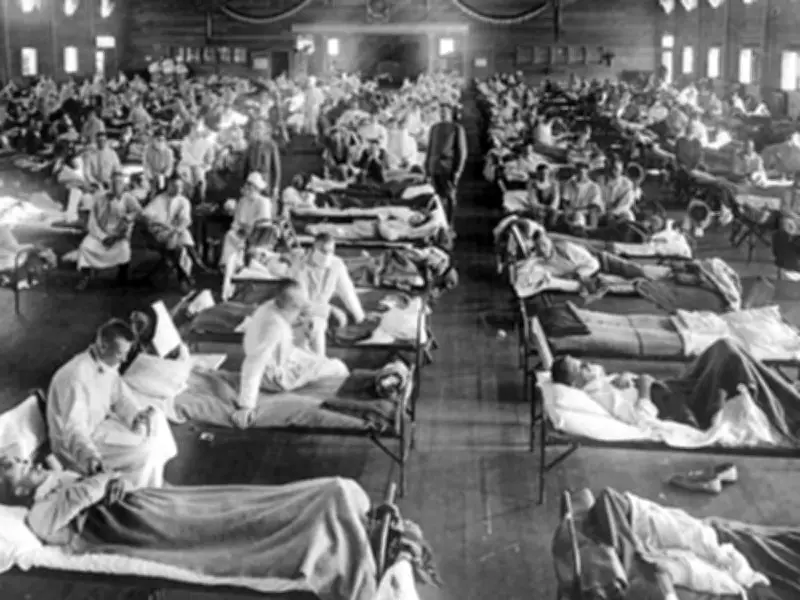
The pandemic emerged during the final stages of World War I, a period marked by massive troop movements and crowded military camps. The virus spread swiftly across continents, facilitated by the global mobilization of soldiers. The close quarters of trenches, transport ships, and field hospitals created ideal conditions for transmission. The war also strained healthcare systems, leaving them ill-equipped to handle the overwhelming number of cases.
Overwhelmed Healthcare Systems
With limited medical understanding and no antiviral drugs or vaccines, healthcare systems struggled to cope. Doctors and nurses faced a shortage of supplies, including masks, beds, and basic medications. Many hospitals were forced to turn away patients or convert non-medical facilities into makeshift wards. The lack of effective treatments led to high mortality rates, with secondary bacterial pneumonia often being the cause of death.

Debated Origins and Naming Controversy
Despite its name, the origins of the Spanish Flu remain debated. The first known cases were reported in the United States, but wartime censorship in other countries delayed reporting. Spain, being neutral, freely reported the outbreak, leading to the misnomer. Some researchers suggest the virus may have originated in China, France, or the United Kingdom, but no conclusive evidence has been found.
Long-Term Impact on Virology and Pandemic Preparedness
The Spanish Flu pandemic accelerated advancements in virology. The isolation of the influenza virus in the 1930s and the development of vaccines were direct outcomes of the urgent need to understand and combat the disease. The pandemic also highlighted the importance of global surveillance and rapid response mechanisms. According to modern public health experts, the lessons from 1918 have shaped current pandemic preparedness strategies, including the importance of social distancing, travel restrictions, and vaccine development.
Enduring Lessons for Future Pandemics
The Spanish Flu serves as a stark reminder of the devastating potential of infectious diseases. It underscored the need for robust healthcare infrastructure, international cooperation, and scientific research. The pandemic’s toll—estimated at 50 million deaths—continues to inform global health policies. As the world faced COVID-19, many strategies were drawn from the 1918 experience, demonstrating the enduring relevance of this historical outbreak.