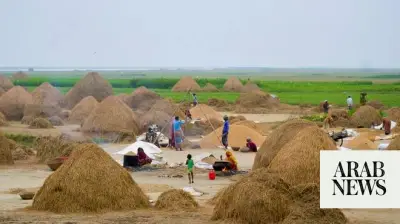
As climate change continues to intensify the frequency and severity of natural disasters, experts have underscored the need for adopting modern technologies, strengthening community preparedness and promoting scientific planning to minimise disaster risks.
The observations were made at the inauguration of a two-day training workshop on “Disaster Risk Reduction (DRR), Hazard Mapping and Evacuation Planning”, jointly organised by the Faculty of Agricultural Engineering and Technology, Sindh Agriculture University (SAU), Tandojam and CWSA Pakistan. More than 40 students from various disciplines across Sindh are participating in the programme.
Climate Change as a Pressing Global Challenge
According to a statement issued by a spokesperson of SAU, inaugurating the workshop, SAU Vice Chancellor Engr Prof Dr Altaf Ali Siyal said climate change had emerged as one of the most pressing global challenges, making disaster preparedness and community resilience more important than ever. He stressed that the effective use of modern technologies for hazard mapping, early warning and disaster forecasting could significantly reduce the impacts of natural calamities.

He said educational institutions had a key role to play in preparing young people to tackle emerging environmental challenges through practical knowledge and professional training. He expressed confidence that the participants would utilize the skills acquired during the workshop to promote disaster awareness and resilience in their communities.
Scientific Planning and Technology-Driven Management
Dean, Faculty of Agricultural Engineering and Technology Prof Dr Munir Ahmed Mangrio said the world was witnessing an increasing number of climate-induced disasters including floods, earthquakes and extreme weather conditions. He emphasised that scientific planning and technology-driven disaster management were essential for reducing risks and safeguarding communities.
Prof Dr Mashooq Ali Talpur said the training programme would strengthen participants’ understanding of community-based disaster management, hazard mapping, disaster risk reduction and evacuation planning, enabling them to respond more effectively during emergencies.
Appreciation and Participation
The VC appreciated the efforts of the organising committee, particularly Prof Dr Irfan Ahmed Shaikh, Prof Dr Munir Ahmed Mangrio, Prof Dr Mashooq Ali Talpur and Dr Zahir Ahmed Khan, resource person, master trainer and deputy director of the Business Incubation Centre for organising the workshop.
The inaugural ceremony was attended by faculty members, students and representatives of partner organizations including Irfan Kumbhar and Sunil Kumar of CWSA Pakistan, Khalil Ahmed from the Deputy Commissioner Office Umerkot, Akhtar Gajo from Water Management and other distinguished guests.