A recent investigation has shed light on a disturbing aspect of the growing popularity of pet snakes in the United States. While snakes may evoke mixed feelings, they have become common household pets for millions of Americans. The number of households owning a pet snake surged from approximately 810,000 in 2018 to 1.3 million by 2024. Additionally, the proportion of snake-owning households with more than three snakes doubled during this period.
Key Findings
- About 1.3 million U.S. households now keep at least one pet snake, a figure that has grown rapidly since the 2010s.
- To sustain this demand, companies breed tens of millions of mice and rats in factory farms, where undercover investigations have revealed overcrowded and inhumane conditions.
- Potential solutions include altering pet snake diets to reduce reliance on rodents and encouraging zoos, which also purchase large quantities of factory-farmed rodents, to adopt higher welfare standards.
The rise in snake ownership may be linked to social media, where snake influencers with millions of followers have emerged. Some have turned their passion into businesses, breeding "designer" snakes with rare patterns that sell for $25 to $60,000. However, the ethical concerns of keeping wild animals as pets extend beyond confinement. A darker, often overlooked aspect is the factory farming of hundreds of millions of mice and rats annually to feed these snakes.
Inside Mouse Factory Farms
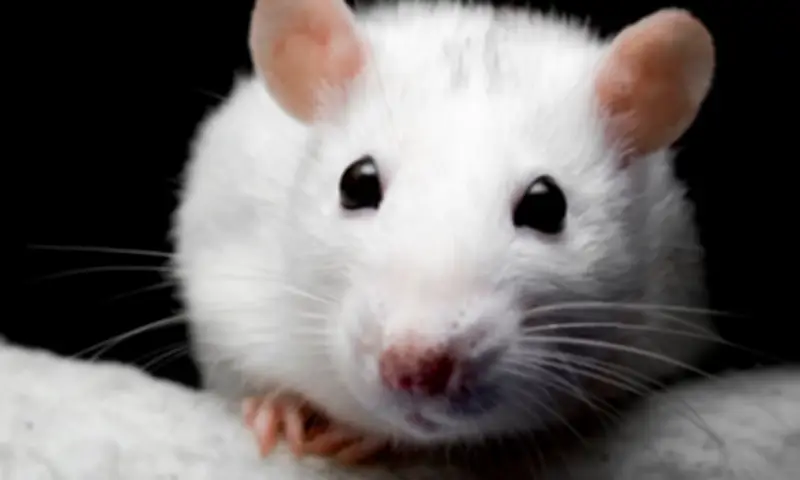
In the wild, snakes eat a varied diet including small mammals, birds, fish, frogs, and insects. Pet snakes, however, are fed almost exclusively "feeder" rodents, consuming anywhere from two infant mice per week to one or two larger mice or rats every 10 to 14 days. These rodents are not protected by the federal Animal Welfare Act, and there is no oversight of their welfare. They are confined in small tubs, deprived of fresh air and natural environments. The Association of Zoos and Aquariums (AZA) considers it acceptable to house a female mouse and her litter in just 51 square inches of space—smaller than a standard iPad.

Documentation from the Pet Advocacy Network, a pet industry lobbying group, omits basic necessities like shelter and enrichment toys. Veterinary care is rarely provided due to the low value of each animal. The Network claims that standards for pet rodents and research animals are "unnecessary for feeder rodents" due to their short lifespans.
Slaughter methods are also concerning. Day-old mice and rats, known as "pinkies," are often frozen to death. Older rodents are killed using carbon dioxide gassing, which causes anxiety, fear, and pain. Some are fed alive to snakes. Other methods like decapitation, cervical dislocation, and blunt force trauma are used, and AZA permits zoos to purchase from farms using these methods.
PETA investigations have documented workers slamming rats against walls, bludgeoning them with tongs and BB guns, and leaving them to die. The scale of feeder rodent farming is unknown, but estimates suggest 200 to 650 million mice and rats are farmed globally for captive snakes each year. This number may exceed the global cattle slaughter for human consumption. Imports of feeder rodents from China to the U.S. have grown from 12,000 pounds in 2015 to 1 million pounds in 2025.
Solutions to Reduce Suffering
Several measures could mitigate the problem. Reducing the number of pet snakes through legislation banning reptile sales in pet stores could help, as nearly 40% of snakes are bought at pet stores. Raising standards for feeder rodent suppliers by AZA and requiring audits is another step. Changing pet snake diets to sausage-type products made from chicken, beef, rabbit, or quail, which are nutritionally comparable and reduce the number of animals needed, offers promise. A single chicken or rabbit can replace dozens to hundreds of rodents.
The plight of feeder rodents highlights how our fascination with animals can lead to widespread suffering. By setting aside biases against these small mammals, we can recognize factory farming them as a significant, underappreciated welfare issue.