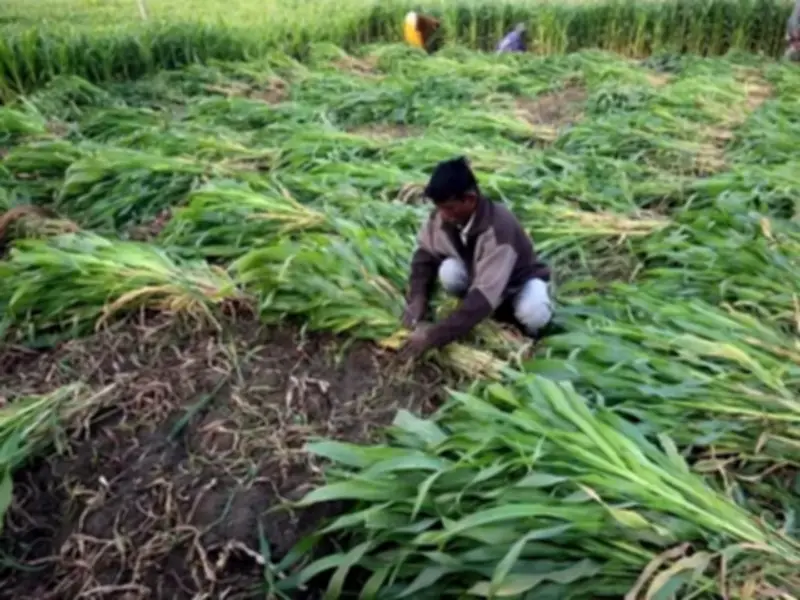
Indian farmers have significantly reduced the area planted with summer crops such as rice, cotton, corn, and soybeans due to a delayed and weak monsoon, according to data from the Ministry of Agriculture and Farmers' Welfare. As of June 25, total sown area stood at 18.27 million hectares, nearly 23% lower than the same period last year.
Monsoon Arrives Late, Stalls Across Western India
The annual monsoon, which typically begins in June and is crucial for summer sowing, reached the southern state of Kerala three days later than normal. Its progress across western farming regions then stalled for about two weeks, delaying planting operations. India, the world's largest rice exporter accounting for roughly 40% of global shipments, relies heavily on the June-September monsoon for its agricultural output.
Sharp Declines in Key Crop Areas
The area under rice, the country's staple crop, fell to 2.58 million hectares from 3.44 million hectares a year ago, a drop of 25%. Soybean planting plummeted 65% to just 692,000 hectares. Corn area declined 16% to 1.57 million hectares, while cotton planting fell 35% to 2.97 million hectares. In contrast, sugarcane area rose 1.2% to 5.7 million hectares.

Rainfall Deficit Worsens
Since the monsoon season began on June 1, India has received 42% less rainfall than normal, with some regions experiencing deficits as high as 92%, according to weather department data. The rainfall deficit has been particularly acute in central and western parts of the country, key agricultural belts.
Potential Price Impact Blunted by High Stocks
Despite the sowing delays, analysts suggest there is still time for the monsoon to gather momentum and improve planting in July. Any price impact from the delay is uncertain but could be cushioned by ample government rice stocks, which rose 15% from a year ago to a record high for the start of June. The government holds substantial buffer stocks that can be released to stabilize prices if needed.
Outlook for Summer Harvest
The current shortfall in sowing may be partially offset if farmers accelerate planting in July as monsoon rains intensify. However, persistent deficits could affect yields and overall production. The Ministry of Agriculture continues to monitor the situation and may adjust its estimates based on further rainfall and planting data.