Iraq's Tigris River Pollution Crisis Devastates Fish Farming Communities
In the town of Al-Numaniyah, near Kut in southern Iraq, fish farmers are facing an unprecedented environmental and economic disaster. A massive die-off of fish in the Tigris River has left agricultural communities mourning lost livelihoods and grappling with an uncertain future.
Catastrophic Losses for Local Farmers
Haidar Kazem, a 43-year-old fish farmer from Zubaydiyah, watched helplessly as 300 tons of carefully cultivated fish perished in just two hours. "In just two hours, my entire project was gone — fish I had spent a year-and-a-half raising. I am back to zero," Kazem told AFP. His losses exceed one million dollars, representing a complete wipeout of his aquaculture investment.
The disaster occurred when authorities opened the gates of the Hamrin Dam following brief rainfall after an exceptionally dry season. This action sent water into the Diyala River, a tributary already choked with untreated sewage from multiple water treatment plants. The contaminated floodwaters then swept into the larger Tigris River, creating a toxic environment that proved fatal to aquatic life.

Visible Pollution and Widespread Impact
Satellite imagery analyzed by AFP reveals the extent of the contamination. Images from Copernicus Sentinel show a noticeably dark stream flowing from the Diyala into the Tigris between March 28 and April 12, 2026. This visual evidence confirms what local farmers experienced firsthand: water so polluted it was visibly black and filled with sewage.
Arkan Al-Shimari, head of the agriculture department in Wasit province where Kazem farms, reported that the sewage stream has killed more than 1,000 tons of fish across the region. The impact extends beyond aquaculture, with authorities restricting water supply in several areas of Wasit and reporting 20 documented cases of poisoning and rash among local residents.
Systemic Water Management Failures
Environmental investigator Wim Zwijnenburg explained that the Diyala River consistently appears darker than the Tigris due to wastewater discharge, low depth, and weaker currents. Normally, this pollution would gradually mix into the larger river, but heavy rain created stronger currents that sent less-diluted contaminated water directly into the Tigris, affecting downstream fisheries and potentially water treatment plants.
The crisis highlights broader water management challenges in Iraq, which the United Nations ranks among the countries most affected by climate change. Declining rainfall over recent years, coupled with rising temperatures, has brought water levels in the Tigris and Euphrates rivers to staggering lows. Baghdad also accuses upstream dams built by neighboring Turkiye and Iran of exacerbating water scarcity issues.
Farmers Left Without Warning or Compensation
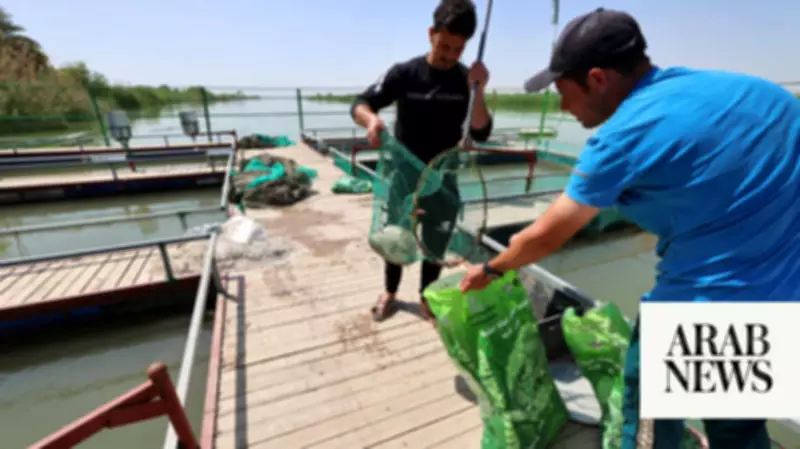
"No one told us that polluted water was headed our way," lamented Kazem, whose fish ponds were hit on April 5. He buried his stock of carp, essential for Iraq's beloved grilled dish masguf, and now spends his days cleaning empty floating cages on the Tigris banks, haunted by how he will save his livelihood.
Another affected farmer, 51-year-old Mazen Mansour from Al-Numaniyah, lost 38,000 fish he had been counting on selling the following month. "The water was black and filled with sewage," Mansour described. "All our work was gone in one night." The father of four tried to save his fish by pumping air into basins to provide oxygen, but it was too late.
Both farmers now face the same desperate situation: they don't know any other trade and lack the financial resources to restart their operations. They are left waiting and hoping for government compensation that may never materialize.
Broader Infrastructure Challenges
Following the fish die-off, authorities vowed to take necessary measures to treat wastewater before discharge. Iraq's new agency INA quoted a Baghdad official saying that authorities will soon open seven more water treatment plants in the city. However, decades of conflict have left the country's infrastructure in a pitiful state, with water management systems particularly in disrepair.

The farmers' plea is simple but urgent: "We urge the state to compensate us and hold those responsible accountable." As they gaze over still waters in empty floating cages, the question remains whether Iraq can address its systemic water pollution problems before more livelihoods are destroyed.