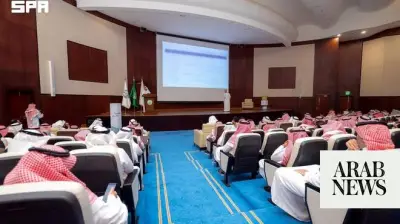
A Provincial Progress Review workshop in Peshawar has highlighted significant progress in routine immunization services across high-risk districts of Khyber Pakhtunkhwa under the initiative “Improving Immunization through Community Engagement and Health System Strengthening.” The initiative, underway since April 2025, targets 36 high-risk union councils in Peshawar, Khyber, Karak, and Kurram districts. It is jointly executed by the Medical Emergency Resilience Foundation (MERF) with strategic oversight by the Expanded Programme on Immunization (EPI) Khyber Pakhtunkhwa and operational support from Gavi, the Vaccine Alliance.
Workshop Leadership and Participants
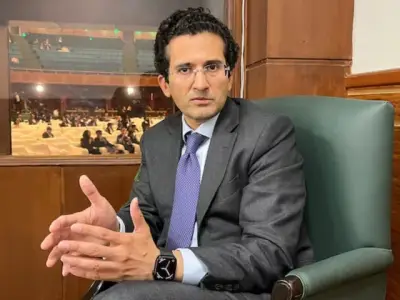
Dr. Omar Faisal, Deputy Director EPI Khyber Pakhtunkhwa, chaired the meeting, which was attended by District Health Officers, EPI Coordinators, EPI Data Focal Persons, and representatives from SABAWON Peshawar and ADWO Karak. The participants reviewed progress and discussed challenges in delivering immunization services.
Deployment of Community Workers and Vaccinators
Participants were informed that MERF has trained and deployed 52 Community Outreach Workers and 50 Vaccinators to improve community awareness, strengthen public trust in immunization, increase vaccine acceptance, and ensure that all eligible children receive protection against 12 vaccine-preventable diseases. The project also focuses on protecting pregnant women and newborns against tetanus and diphtheria, which remain among the leading causes of illness and death among children under five years of age in Pakistan.

Progress Presentations and Achievements
During the workshop, MERF’s district teams presented detailed progress on community mobilization and vaccination services. The presentations showed encouraging improvements in immunization coverage across all antigens. Dr. Omar Faisal commended MERF’s field teams for their commitment and effective implementation, noting that the project had contributed to measurable improvements in routine immunization coverage.
Community Engagement Model
The participants particularly appreciated MERF’s community engagement model, which includes sensitization of local influencers, engagement of respected religious scholars, and dissemination of religious endorsements, fatwas, and video testimonials through social media to address vaccine hesitancy and strengthen public confidence in immunization. Special appreciation was expressed for the “Child-to-Home” initiative, under which students in schools and madrassas are educated on the importance of immunization in collaboration with their teachers. The students then serve as ambassadors for vaccination by sharing key messages with their families, particularly mothers and sisters, thereby encouraging timely vaccination of children.
New EPI Centers Established
One of the major achievements highlighted during the workshop was the establishment of 10 new EPI centers, including nine in Kurram and one in Khyber, where routine immunization services were previously unavailable. The participants noted that these centers are now providing regular vaccination services to hundreds of children every month, significantly improving access to life-saving vaccines in underserved communities.
Operational Challenges and Solutions
The workshop also reviewed operational challenges and implementation bottlenecks. Participants discussed practical solutions and agreed on coordinated measures to further strengthen service delivery and improve immunization performance across the project districts.
Quotes from Officials
Speaking on the occasion, Dr. Junaid Khan, Project Manager MERF, thanked EOC KP, EPI KP, and District Health Offices for their continuous guidance and support. “The progress achieved under this project reflects the strength of partnership between the government and development partners. Whatever MERF has accomplished in improving immunization services would not have been possible without the unwavering support of EOC KP, EPI KP, and the district health authorities,” he commented.

In his concluding remarks, Dr. Omar Faisal, Deputy Director EPI Khyber Pakhtunkhwa, appreciated the efforts of all participants and thanked MERF for organizing the Provincial Progress Review Workshop. He reaffirmed EPI KP’s commitment to providing technical guidance and support to civil society organizations working to improve routine immunization and protect children and mothers across Khyber Pakhtunkhwa.