Bangladesh is grappling with an unprecedented measles outbreak that is overwhelming hospitals across the country, doctors warn. Hundreds of children are being admitted daily with symptoms of the highly infectious disease, straining medical resources to their limits.
Deadliest Outbreak in Recent History
The current outbreak is the deadliest Bangladesh has seen in recent years. It follows a disruption in the regular mass vaccination campaign scheduled for 2024-25, a period marked by political instability after student-led protests ousted the previous government. Since March 15, over 32,300 suspected measles cases and at least 259 child deaths have been reported, according to the Directorate General of Health Services data released on Sunday.
Hospitals Over Capacity
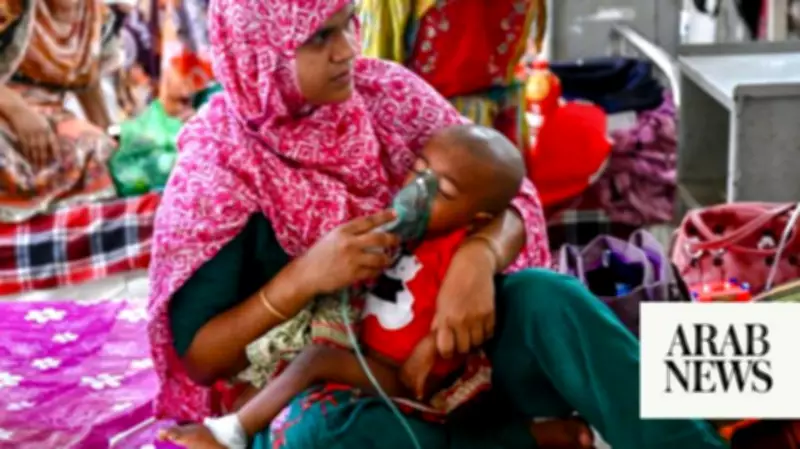
Around 1,000 people are being hospitalized daily, half of them in Dhaka, where patients are referred from regions lacking specialized infectious disease care. At the Mohakhali Infectious Diseases Hospital, wards are operating beyond capacity. Dr. Ariful Bashar, senior consultant at the hospital, told Arab News: “All bed capacities are exhausted, and we are compelled to accommodate patients in the corridors as well. It’s a 100-bed hospital dedicated to treating other contagious diseases, but most efforts are now focused on measles patients, mostly children. We currently cannot offer ICU treatment to patients with other infectious diseases.”

Measles is an airborne disease particularly dangerous for children under five. Proper isolation is a major logistical challenge. “It’s highly contagious — six times more than COVID-19,” Bashar said. “Ensuring isolation for measles-infected patients has become a challenge. We don’t have enough nurses to handle this emergency. As a result, we have to allow parents and guardians to stay in the hospital, which increases transmission.”
Complications Add Pressure
At the Bangladesh Shishu Hospital and Institute in Dhaka, a pediatric specialty center, doctors note a rise in children developing complications, adding to admission pressure. Prof. Dr. Mohammad Mahbubul Huq, the hospital’s director, said: “As measles-infected patients lose immunity, they become more vulnerable to other infections such as pneumonia and diarrhea. The situation becomes critical in such cases. We have not seen such a measles outbreak in our country before. Not only our hospital, but most hospitals are now experiencing a higher number of patients, sometimes beyond their capacity.”
Vaccination Efforts
Bangladesh, a nation of 170 million, had contained measles since the 1990s through routine vaccination — two doses given in early childhood, the first at nine months. However, even small gaps in coverage can lead to outbreaks. Supplementary mass immunization campaigns were conducted every four to five years to prevent resurgence and boost population immunity. To contain the current crisis, following the missed mass campaign last year, the newly elected government started a nationwide immunization drive last week. The drive is expected to reach 20 million children by the Eid Al-Adha holiday in late May.