The Punjab government has decided to transform a major segment of the 93-kilometre Multan-Vehari dual carriageway into a model green corridor through a comprehensive plantation and landscaping project aimed at promoting environmental sustainability and enhancing the highway’s aesthetic appeal.
Commissioner Chairs Meeting on Plantation Plan
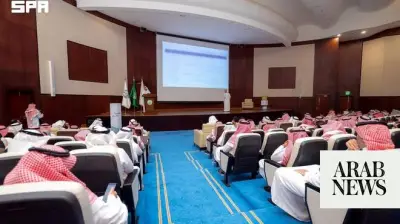
Commissioner Multan Aamir Kareem Khan presided over a meeting to review the plantation plan for the highway with officials from the Forest, Highways, Communication and Works (C&W) departments, besides district administration and other relevant agencies in attendance on Thursday.
Officials said the planning has been completed and gave a detailed presentation on the plantation plan covering the 37-kilometre stretch from Babar Chowk to Tibba Sultan Pur. Trees will be planted along 45.7 avenue kilometres, including 31.5 kilometres of the central median and 14.2 kilometres on both sides of the road.

15,081 Trees to Be Planted at 10-Foot Intervals
They added that saplings would be planted at 10-feet intervals with around 330 trees per kilometre. A total of 15,081 ornamental and shade trees will be planted to improve the highway’s appearance, reduce air pollution, enhance the environment and increase green cover.
Ornamental species including Amaltas, Bottlebrush, Kachnar (Orchid tree), Pink Tabebuia, Yellow Tabebuia, Lagerstroemia and Terminalia would be planted in the central median, with the planting pattern changing every four kilometres to provide seasonal colour variation. Along the roadside, indigenous shade trees such as Pilkan, Jacaranda, Peepal, Gulmohar, Gul-e-Nishtar, Neem, Bakain and Terminalia will be planted, with species changing approximately every 1.4 kilometres to maintain diversity and visual harmony.
Chief Minister’s Vision for Green Highways
Commissioner Khan said that Punjab Chief Minister Maryam Nawaz Sharif wants development projects not only to focus on road infrastructure but also on making highways green, beautiful and environment friendly. He said the Multan-Vehari dual carriageway would be developed as a model green corridor in South Punjab.
He directed officials to prioritise indigenous and climate-compatible tree species that require less water, have a high survival rate, provide shade and support local bird habitats. He stressed that sustainable plantation should be given preference over short-term beautification.
Maintenance and Monitoring Emphasised
He said proper maintenance of plantations, irrigation, survival of saplings, upkeep of green belts and cleanliness along the road is a priority number one and sought action against those damaging road dividers, green belts or other infrastructure through an effective monitoring mechanism in the districts concerned.
The meeting also reviewed a landscaping plan for U-turns and road intersections under which low-maintenance ornamental plants, including Asparagus grass, Silvery shrubs, Red Shrubs, Euphorbia, Red-leaf plants and Duranta, will be planted to ensure year-round greenery and help prevent soil erosion.