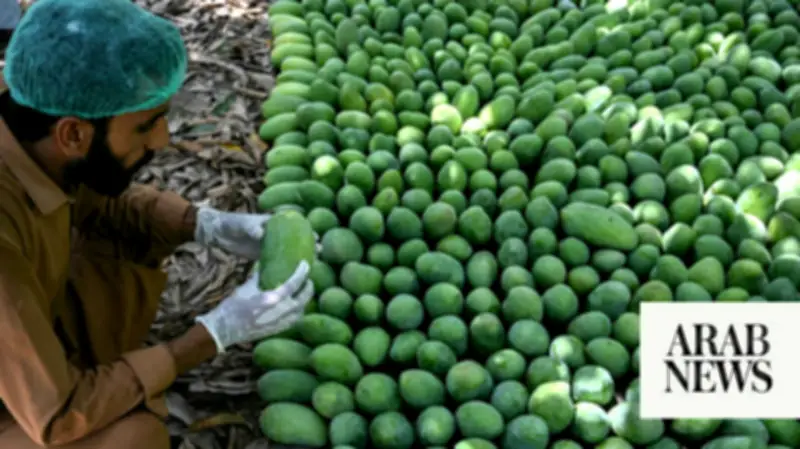
Pakistan's mango export earnings could fall by nearly 30 percent this year as climate-related crop losses and disruption caused by the Middle East conflict reduce export volumes and drive up shipping costs, growers and exporters have said.
Export Revenue Projections
Last year, Pakistan exported around 110,000 metric tons of mangoes worth nearly $110 million, according to Waheed Ahmad, patron-in-chief of the All Pakistan Fruit & Vegetable Exporters Importers and Merchants Association. This year, the reduced target was around 80,000 metric tons, but given the current situation, exports are expected to remain between 75,000 and 80,000 metric tons, generating around $75 million to $80 million in revenue. This represents a decline of nearly 30 percent from last year.
Climate Impact on Crop
Pakistan produces around 1.9 million metric tons of mangoes annually, though less than 4 percent of the crop is typically exported. This year's crop has been damaged by unusually high temperatures during the critical pollination period as well as intense windstorms. Tariq Mehmood Chaudhry, president of the Pakistan Farmers Coordination Committee, reported a 15 percent lower yield this year, while nearly 20 percent of the crop was lost because of extreme weather conditions. Temperatures rose above 35 degrees Celsius between mid-February and mid-March, when mango trees undergo pollination, which requires temperatures closer to 30 degrees. The unusually hot weather affected fruit setting and ultimately reduced production. Chaudhry noted that farmers are facing losses of around 35 percent overall. Industry representatives estimate mango production has declined by 15-20 percent over the past five years.

Regional Conflict Disruptions
Conflict-related disruptions in key regional markets have further hurt trade prospects. Ahmad said Pakistan's traditional export routes had been disrupted by regional instability and border closures. Exports to Afghanistan have virtually stopped. Pakistan usually exports between 18,000 and 19,000 tons of mangoes to Afghanistan, but this year that volume is almost zero. Pakistan has kept its border crossings with Afghanistan closed to trade since October 2025 following a series of deadly clashes and worsening security tensions. The shutdown also halted the movement of Afghan transit cargo through Karachi. According to Ahmad, the Gulf region, Iran and Afghanistan account for roughly 80 percent of Pakistan's mango exports.
Rising Logistics Costs
Exporters are also grappling with sharply higher logistics costs. Global freight charges for a 40-foot container have increased from around $1,000-$1,400 last year to between $6,000 and $7,000 this season. Air freight rates have doubled from about 80 cents per kilogram to $1.60 per kilogram. Domestic transportation costs have also risen following increases in global oil prices during the US-Iran conflict, though Pakistan has announced several fuel price cuts in recent weeks.
Seasonal Delays and Weather Challenges
Pakistan's mango export season began on June 1 and runs through September. Exporters said shipments started later than usual because the crop matured more slowly this year, while regional tensions have increased transit times. The weather in key mango-producing areas such as Multan, Rahim Yar Khan, Sadiqabad, Mirpurkhas and Tando Allah Yar caused significant damage. Chaudhry emphasized that climate change is not something farmers can tackle on their own; it requires government intervention and international support.

Government and Industry Response
Arab News contacted Pakistan's Ministry of Commerce for comment but did not receive a response. However, Trade Development Authority of Pakistan Director General Athar Hussain Khokhar said growers could improve productivity and resilience by adopting modern orchard management and climate-smart farming techniques. One of the most effective interventions is the transition toward high-density plantations with small-sized trees as in Egypt, Australia, etc, which allow better management of irrigation, nutrition, pruning, and pest control. Dwarf trees also facilitate easy and complete fruit bagging and careful harvesting, reducing mechanical injuries, improving fruit appearance, minimizing post-harvest losses, and ultimately producing export-quality mangoes that meet international market requirements. He also called for investment in cold-chain infrastructure, traceability systems and value-added processing to improve export competitiveness and reduce waste. Value addition through modern and economically viable dehydration, pulping, and IQF (Individually Quick Frozen) mango processing can help Pakistan access new markets, reduce wastage, and increase export earnings beyond fresh fruit exports.