The Pakistan Meteorological Department (PMD) has issued a seasonal outlook predicting above-normal temperatures across most parts of the country from July to September, with increased risks of flash floods, urban flooding, glacier melting, and heat-related impacts.
Regional Temperature and Rainfall Forecast
According to the PMD's seasonal outlook, Balochistan, Punjab, and southern Khyber Pakhtunkhwa are expected to experience higher-than-normal temperatures. In contrast, Gilgit-Baltistan, Azad Jammu and Kashmir, and northern Khyber Pakhtunkhwa are likely to receive normal to slightly above-normal rainfall.
The department warned that increased rainfall in mountainous areas could trigger flash floods and landslides, while river flows and water levels in reservoirs may also rise. Heavy rainfall in major cities of Sindh, Punjab, Balochistan, and Khyber Pakhtunkhwa could lead to urban flooding during the monsoon season.

Glacier Melting and Glacial Lake Outburst Floods
The forecast also cautioned that rising temperatures in Gilgit-Baltistan, upper Khyber Pakhtunkhwa, and Azad Jammu and Kashmir could accelerate glacier melting, increasing the risk of glacial lake outburst floods (GLOFs). This poses a significant threat to downstream communities and infrastructure.
Water Shortages and Agricultural Impact
The PMD noted that below-normal rainfall in parts of Punjab, Sindh, Khyber Pakhtunkhwa, and Balochistan may result in water shortages for Kharif crops and increase irrigation requirements. Changing weather patterns could bring strong winds, dust storms, thunderstorms, and hailstorms, posing a threat to standing crops and orchards.
Heat Stress and Health Risks
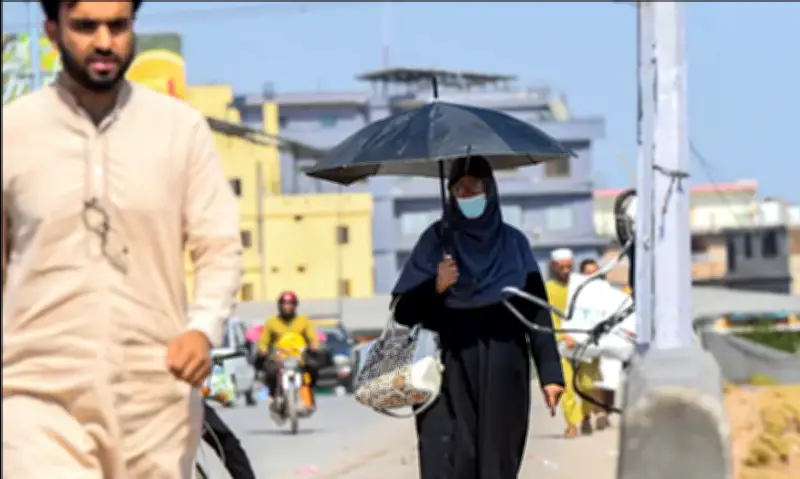
According to the outlook, southern Punjab and the plains of Sindh may face increased heat stress, while warmer conditions could heighten the risk of mosquito-borne diseases, including dengue. The department advised the public to avoid unnecessary outdoor activities during peak heat hours between 11am and 4pm, stay hydrated, and wear light clothing.
Advisory for Farmers and Tourists
Farmers were urged to take precautionary measures to protect crops, while tourists were advised to exercise caution when traveling during periods of heavy rainfall and adverse weather. The PMD also warned that periodic heatwave conditions were likely during the three-month period.