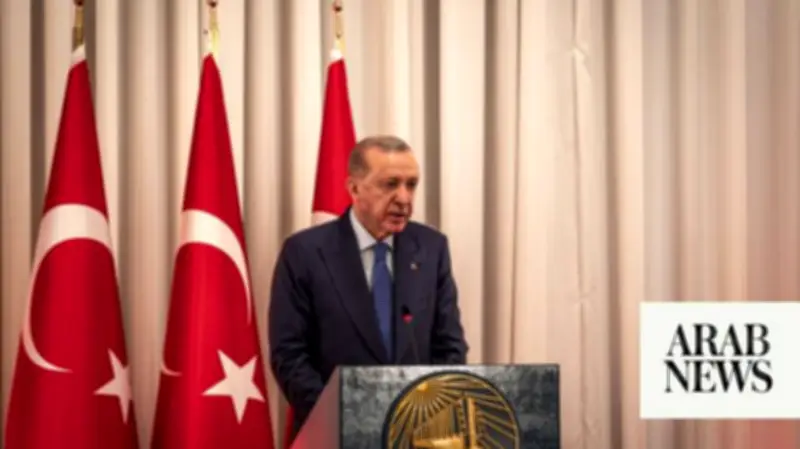
Türkiye is ramping up security measures across Ankara ahead of next week's NATO summit, as President Recep Tayyip Erdogan seeks to use the gathering to bolster the country's standing within the alliance. Tens of thousands of police officers have been deployed, air defenses placed on alert, and restrictions imposed on public gatherings as leaders from all 32 NATO members prepare to meet in the Turkish capital on July 7-8.
Summit Details and Security Preparations
The summit is expected to bring together US President Donald Trump and other world leaders at a time of growing tensions within the alliance over regional conflicts, defense commitments, and Washington’s relationship with European partners. Authorities have banned demonstrations, concerts, and some public gatherings during the summit period, while several opposition-linked journalists have faced accreditation issues. The security measures are intended to protect visiting leaders but have also drawn criticism from rights groups, who say they reflect broader concerns over democratic freedoms in Türkiye.
Turkey's Strategic Importance
Hosting the summit offers Ankara an opportunity to highlight Turkey’s strategic importance as a bridge between Europe and the Middle East, analysts say. “Turkey wants to position itself as an indispensable actor in security and geopolitical processes in Europe and beyond,” foreign policy expert Serkan Demirtas told AFP. A NATO member since 1952, Turkey has the alliance’s second-largest army and occupies a strategic position connecting Europe, the Middle East, the Black Sea, and the Caucasus.

Geopolitical Context and Tensions
Analysts say Türkiye’s importance has grown since the Russia-Ukraine war, with Ankara maintaining ties with both Moscow and Kyiv while also seeking a diplomatic role in regional conflicts. “Türkiye has supported Kyiv, sometimes quietly, with key munitions and equipment, while also maintaining channels with both sides in an effort to pursue a diplomatic solution,” said Luke Coffey, a senior fellow at the Hudson Institute. However, Türkiye’s relationship with its NATO allies has faced repeated strains, including Ankara’s purchase of Russian S-400 missile systems, which led to its removal from the US-led F-35 program, and its initial opposition to Finland and Sweden joining NATO.
Domestic Criticism and Political Implications
The summit also comes amid domestic criticism of Erdogan’s government following a crackdown on political opponents and restrictions on public freedoms. Despite those disputes, analysts say maintaining Turkey’s alignment with the alliance remains a priority because of its military capabilities and regional influence. For Erdogan, the summit represents both a diplomatic opportunity and a domestic political boost, allowing him to portray Türkiye as a country that remains central to global security discussions.