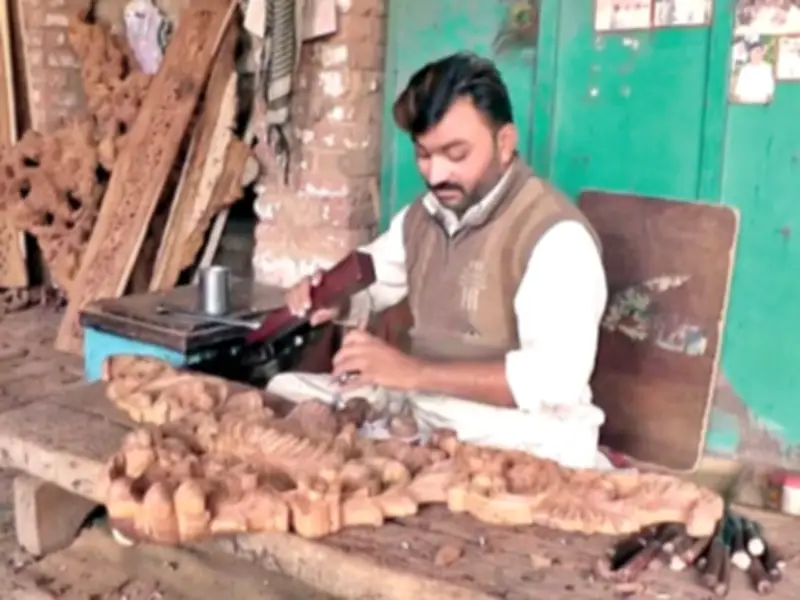
Saudi investors are showing keen interest in Pakistan's handmade carved furniture and are actively exploring avenues for joint ventures, investment and technology collaboration with local manufacturers, according to Pakistan Furniture Council (PFC) Chief Executive Officer Mian Kashif Ashfaq.
Delegation Visit to Saudi Arabia
Ashfaq is currently on a six-member PFC delegation visit to Saudi Arabia aimed at promoting bilateral trade ties and unlocking new export opportunities for Pakistan's furniture sector in the Gulf region. He said Saudi counterparts highly praised the craftsmanship, quality and intricate wood carving skills of Pakistani artisans, particularly in the production of traditional and luxury furniture.
Market Potential in Saudi Arabia
According to international research, the Saudi Arabia furniture market is valued at $8.27 billion in 2025 and is projected to reach $11.35 billion by 2030, growing at a compound annual growth rate of 6.53%. The Saudi luxury furniture market alone, valued at $236 million in 2024, is expected to reach $304 million by 2030. This rapid expansion is fuelled by Vision 2030's ambitious residential and hospitality mega-projects, presenting a major opening for Pakistani exporters.

Pakistani handmade furniture possesses strong potential in Gulf markets owing to its unique designs, durability and competitive pricing, attributes that align well with the growing Saudi appetite for bespoke and culturally resonant pieces.
Pakistan's Furniture Exports and Capabilities
Pakistan's total furniture exports in FY25 stood at $7.9 million, according to the State Bank of Pakistan (SBP). Industry leaders believe this figure can grow substantially with the right international partnerships and government support. Ashfaq informed Saudi stakeholders that Pakistan's furniture sector has made significant strides in recent years and is capable of meeting international standards.
Pakistan's furniture industry is particularly renowned for its use of sheesham (rosewood), which adds to the distinctive appeal of its products. Leading furniture-making centres are located in Chiniot, Gujrat, Peshawar, Lahore and Karachi, producing a wide array of traditional styles including antique, Chinioti, Mughal and Oriental designs that resonate strongly with Gulf consumers who value heritage aesthetics and craftsmanship.
Joint Ventures and Technology Collaboration
Ashfaq added that joint collaboration with Saudi partners would help enhance production capacity, modernise manufacturing techniques and expand exports to regional and global markets. Joint investment initiatives would strengthen bilateral trade and facilitate the transfer of modern technology and expertise. Both sides agreed to continue discussions aimed at identifying potential projects and fostering greater economic cooperation.
Untapped Gulf Market Opportunity
Industry experts believe the Gulf market represents a largely untapped opportunity for Pakistani furniture exporters. Traditional Arabic designs remain popular in Saudi Arabia, with many consumers opting for furniture that reflects their cultural heritage, while the large expatriate population has also created demand for furniture catering to diverse cultural tastes. Pakistani handmade furniture, with its intricate wood carvings and traditional motifs, is well-suited to meet both segments of this demand.
The PFC chief expressed confidence that this visit would pave the way for concrete investment proposals and long-term partnerships between Pakistani furniture manufacturers and their Saudi counterparts, ultimately helping Pakistan enhance its footprint in one of the world's fastest-growing furniture markets.