Saudi Arabia's Land Restoration Success Boosts Farm Incomes and Food Security
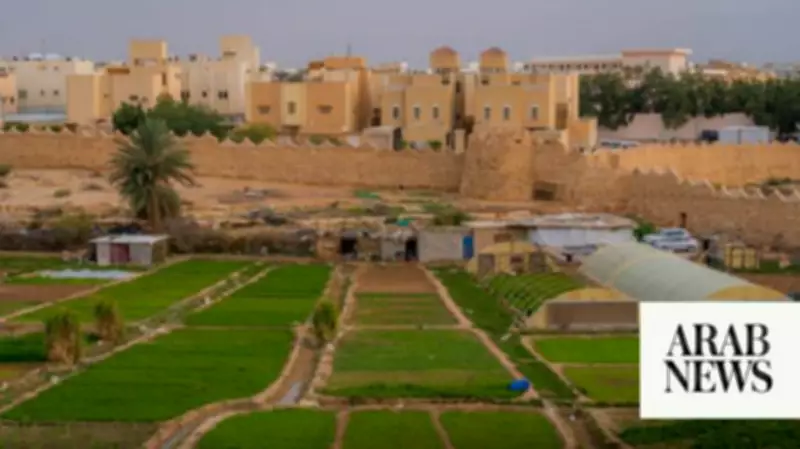
The Food and Agriculture Organization of the United Nations has praised Saudi Arabia's remarkable achievement in rehabilitating one million hectares of arid and degraded land, highlighting it as a significant step toward enhancing food security and agricultural productivity. According to Nizar Haddad, Director of the FAO program in the Kingdom, this accomplishment, announced at the end of March, represents an exceptional feat in one of the world's harshest desert environments.
Economic and Environmental Impact of Land Rehabilitation
Haddad emphasized that investing in land restoration is a highly profitable economic venture. Every dollar spent yields direct and indirect economic benefits ranging from $7 to $30. This underscores the value of Saudi Arabia's efforts, which have rehabilitated land at a rate of 548 hectares per day over five years. Globally, the planet loses approximately 100 million hectares of healthy land annually, making this achievement particularly noteworthy.
The economic returns extend beyond immediate agricultural gains. Improved soil fertility and restored vegetation cover lead to increased crop yields, expansion of sustainable grazing areas, and revitalization of the livestock sector. These projects also create thousands of job opportunities in rangeland management, nurseries, environmental services, and ecotourism. Additionally, they reduce costs associated with combating desertification and dust storms, which have historically burdened regional economies.

Success Stories in Modern Agriculture
The "Saudi Countryside" program has driven tangible successes in several sectors. Model farms in coffee production have seen a 100 percent increase in productivity, from 3.5 to 7 kilograms per tree, alongside a 33 percent improvement in quality. The rose farming sector has experienced a 30 to 35 percent increase in flower yields and a 15 percent enhancement in essential oil production and quality.
Beekeeping has also flourished, with honey production rising from 2.5 to 10 kilograms per hive annually. Notably, 100 small-scale beekeepers have received organic certification, and Saudi honey now commands a premium price, being more than 10 times more expensive than commercial honey. This positions it competitively in high-value, specialty markets.
Challenges and Opportunities in Agriculture
Despite these successes, structural challenges persist in the livestock and rainfed crop sectors. Fluctuating rainfall, limited genetic varieties, low livestock breeding efficiency, and inadequate awareness of animal health hinder progress. Haddad stressed the importance of transitioning from traditional methods to data-driven management and regular veterinary services to boost productivity.
To maximize rainwater use for crops like millet and maize, the program promotes improved varieties, supplemental irrigation, and integrated farming practices. For instance, an improved sorghum variety achieved a yield of 5.2 tonnes per hectare through these methods, leading to widespread adoption by over 100 farmers.
Enhancing Food Security and Rural Incomes
Land rehabilitation directly contributes to food security by expanding arable land, increasing crop productivity, and supporting the livestock sector. Carbon capture from restored lands also helps mitigate climate change, which threatens global agricultural production. The FAO estimates that climate change could reduce agricultural output by up to 25 percent by 2050 without intervention.
The program has significantly improved rural incomes. It has supported approximately 622 agricultural projects, creating 935 direct jobs and training 5,700 workers in value chains. For example, a farmer using a solar drying tunnel produced 2,500 kilograms of dried figs valued at SR100,000 ($26,656) in three months, demonstrating the impact of value-added activities on household earnings.

Future Directions and FAO Support
FAO continues to support the transformation of sectors like coffee and rose farming into economically viable industries. This includes introducing tissue culture for coffee seedlings, improving post-harvest processing, and enhancing product quality. While there is growing readiness for organic farming, as seen with beekeeping certification, a complete transition requires greater awareness, certification infrastructure, and market linkages.
In the fruit and oilseed sectors, progress is evident with increased productivity and reduced post-harvest losses. Initiatives like establishing agricultural service centers and developing branding strategies aim to shift focus from production to marketing and value addition.
Overall, Saudi Arabia's land restoration and modern agriculture initiatives not only boost farm incomes and yields but also strengthen national food security and economic resilience, setting a benchmark for sustainable development in arid regions.