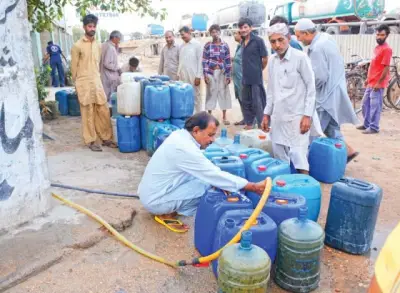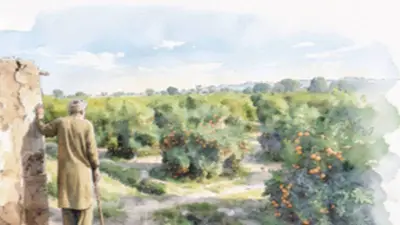
Livestock growth in Pakistan’s riverine and canal-irrigated regions is increasingly being linked to water availability, with farmers expressing concerns that any disruption in flows under the Indus Water Treaty (IWT) by India could directly affect animal production. In areas along rivers and canals where farmers traditionally keep larger herds due to better access to water and fodder, the situation is becoming more uncertain. Disruption in water availability is not only shrinking fodder production but also impacting the overall health, growth, and productivity of animals.
Livestock Sector's Dependence on Water
The livestock sector is a vital pillar of Pakistan’s rural economy, and its dependence on water is often underestimated. Green fodder crops such as maize, berseem, and sorghum require regular irrigation, while wheat straw, a key component of animal feed, depends on adequate water during the wheat season. Farmers argue that if water flows decline due to violations of the IWT, originally brokered by the World Bank, then the entire cycle of fodder production is disrupted.
Farmer Perspectives on Water Shortages
Muhammad Yousuf, a farmer from a canal-side village, described the cascading impact. “In our area, people keep more animals because water used to be available. Now, when water supply becomes uncertain, we cannot grow enough green fodder or even produce good wheat straw. This directly affects the growth of our animals,” he said. He added that insufficient water not only reduces fodder quantity but also lowers its nutritional quality. He hinted that water shortages used to affect livestock growth in multiple ways beyond just fodder scarcity. When green fodder becomes limited, animals receive an imbalanced diet, leading to poor digestion and slower weight gain.

Ibrar Chaudhary, another farmer, highlighted the direct link between water and animal health. “When water is scarce, animals don’t just face hunger but they also suffer from weakness and diseases. Milk production drops, and animals lose weight. In hot weather, the situation becomes worse because they cannot cope with heat stress without enough water,” he said. He warned that continued water shortages could force farmers to reduce herd sizes, affecting their income.
Veterinary Insights on Water and Animal Health
Veterinary expert Dr. Jamshaid Akhtar further explained that water plays a critical role in digestion, nutrient absorption, and blood circulation in animals. Its shortage weakens the immune system, making livestock more vulnerable to infections. Reproductive performance is also affected, leading to fewer offspring and long-term declines in herd productivity. In extreme cases, prolonged water scarcity can turn fertile grazing and farming lands into barren areas, compounding the crisis, he added.
Vulnerability of Riverine Regions
Riverine regions, once considered ideal for livestock farming, are particularly vulnerable. Any fluctuation in water supply directly impacts these communities, where both crop cultivation and animal rearing depend on stable irrigation. Farmers say that even a slight reduction in water availability can significantly reduce fodder output, creating a chain reaction that affects animal growth, milk yield, and market value.
Broader Economic Implications
The livestock sector contributes significantly to Pakistan’s GDP and food security, supplying meat and dairy products nationwide. A sustained decline in animal productivity due to water and fodder shortages could lead to higher prices and reduced availability of essential food items. Farmers are urging authorities to address water management challenges and raise concerns about IWT compliance at international forums. They also stress the need for modern irrigation techniques and better planning to ensure that available water is used efficiently. “Our animals depend on water just like crops do,” said Muhammad Iftikhar. “If water becomes uncertain, livestock farming in our areas will not survive.”