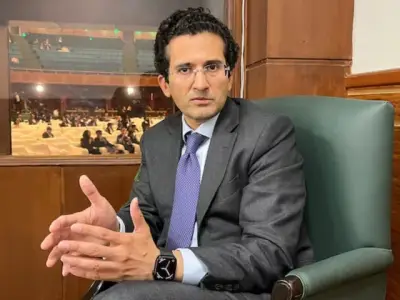
A meeting convened to resolve the dispute over the cancellation of No Objection Certificates (NOCs) for 15 under-construction tube wells in Rawalpindi failed to produce a breakthrough. The Capital Development Authority (CDA) Chairman, Federal Parliamentary Secretary Barrister Daniyal Chaudhry, and Water and Sanitation Agency (WASA) Managing Director Azizullah Khan were unable to reach an agreement during the session held on Sunday. Consequently, the matter has been referred to the CDA's Technical Committee for further deliberation.
Background of the Dispute
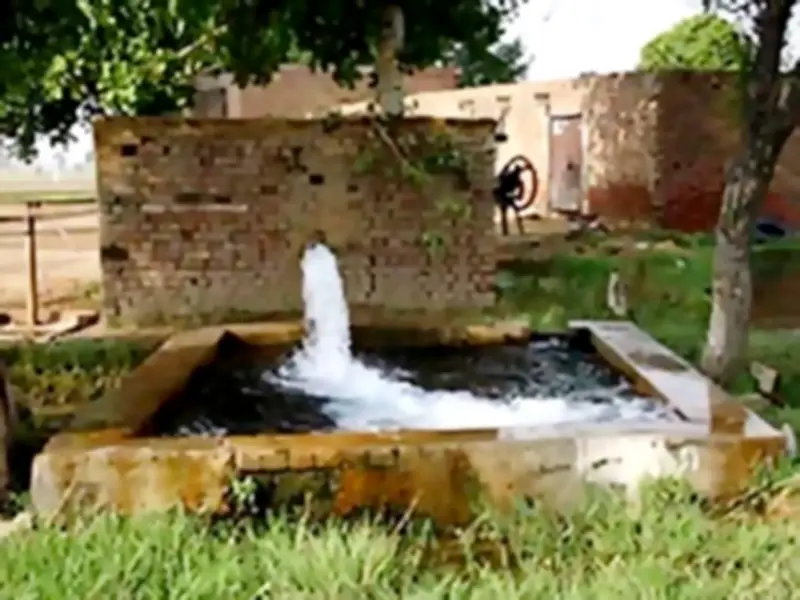
WASA had initiated a Rs1.4 billion project to install 15 tube wells along the service road from Faizabad to Koral Chowk. The project aims to improve water supply to several areas of Rawalpindi. According to sources, boring work on nine tube wells has already been completed, and the process of obtaining electricity connections from the Islamabad Electric Supply Company (IESCO) was underway. However, the CDA withdrew the previously issued NOCs before boring could commence for the remaining six tube wells.
Reasons for NOC Cancellation
The CDA revoked the approvals on the grounds that installing the tube wells could lead to water shortages in adjoining areas of Islamabad. The authority defended its decision during the meeting, citing potential adverse impacts on the capital's water resources.

Meeting Details and Outcome
The detailed meeting included the CDA chairman, Barrister Daniyal Chaudhry, WASA MD Azizullah Khan, and senior officials from both organisations. WASA presented its case in support of the project, emphasizing the urgent need for improved water supply in Rawalpindi. Despite extensive discussions, sources confirmed that no agreement could be reached. The CDA chairman decided to refer the matter to the authority's Technical Committee for a detailed review and further recommendation.
Financial Implications
Officials noted that WASA has already incurred substantial expenditure on the project. This includes the completion of boring work for nine tube wells, payments to IESCO for electricity connections, and the award of contracts for boring the remaining six tube wells. The stalled project poses financial risks and delays in addressing Rawalpindi's water scarcity issues.