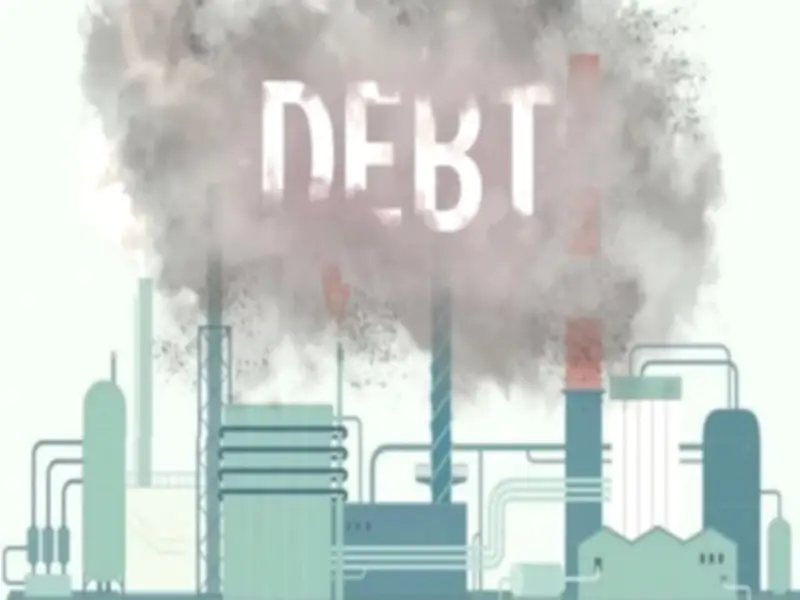
The federal government's total debt surged to Rs82 trillion by the end of May, registering an annual increase that outpaced the average inflation rate, according to the State Bank of Pakistan (SBP). The Auditor General of Pakistan (AGP) has called for stronger checks within the finance ministry to ensure accurate assessment of borrowing requirements for debt repayment.
Debt Growth Outpaces Inflation
The SBP's debt bulletin, released on Monday, showed that the federal government's debt, excluding liabilities and IMF obligations, increased by Rs5.9 trillion during the June-May 2025-26 period. This represents a 7.8% rise, higher than the average inflation rate of 7%, indicating poor debt management and fiscal needs exceeding revenues.
As a result, total debt stocks reached Rs82 trillion by end of May. The debt office, however, has been operating on an ad-hoc basis since January, with no permanent director general appointed for over six months. This lack of leadership has raised concerns about accountability.

Audit Objections on Debt Reporting
The AGP audit report revealed that the federal government failed to prepare Debt and Losses reports, breaching the Financial Reporting Manual. These reports are required to provide a monthly analysis of the national debt position. The Senate Standing Committee on Finance raised the issue of the vacant Director General Debt Office position in May.
On May 19, advisor Omar Khan told the committee that the government was shortlisting candidates but could not provide a firm appointment date. After The Express Tribune reported the story, the Prime Minister's Office inquired about the vacancy. Currently, only one permanent director debt exists out of three positions, with additional charges given to a consultant and a risk assessment expert.
Irrational Budgeting for Loan Repayment
The AGP audit also flagged what it termed irrational budgeting of Rs1.83 trillion for principal loan repayment. During fiscal year 2024-25, the government allocated Rs24 trillion for principal payments, added Rs2.64 trillion as a supplementary grant, but later surrendered Rs2.8 trillion. Actual spending reached Rs25.8 trillion, exceeding the allocated amount.
The audit report stated: "The audit observed that the irrational budgeting resulted in unnecessary excess expenditure of Rs1.83 trillion." It added that "controls and checks within the Ministry of Finance require strengthening to ensure accurate assessment of the actual requirements under repayment of debt."
External and Domestic Debt Trends
The SBP bulletin noted that Rs5.9 trillion were added to the debt stock during June-May, averaging Rs16 billion per day. The rupee's appreciation to Rs278.4 against the US dollar helped slow external debt growth. External federal government debt rose from Rs22.5 trillion to Rs23.8 trillion, an increase of Rs1.3 trillion, lower than previous trends.
However, short-term external debt skyrocketed from Rs201 billion to Rs2.7 trillion. The central bank attributed this to reclassification of long-term debt to short-term but provided no further details.
Domestic debt increased to Rs58.1 trillion, rising by Rs4.7 trillion within a year. Long-term domestic debt grew by Rs2 trillion to Rs47.3 trillion, while short-term domestic debt surged by Rs2.6 trillion to Rs10.7 trillion—a 32% increase despite declining interest rates. The growing debt burden has pushed interest payments to over Rs8 trillion for the current fiscal year.