Pakistan's Foreign Exchange Reserves Show Modest Growth Amid Economic Fluctuations
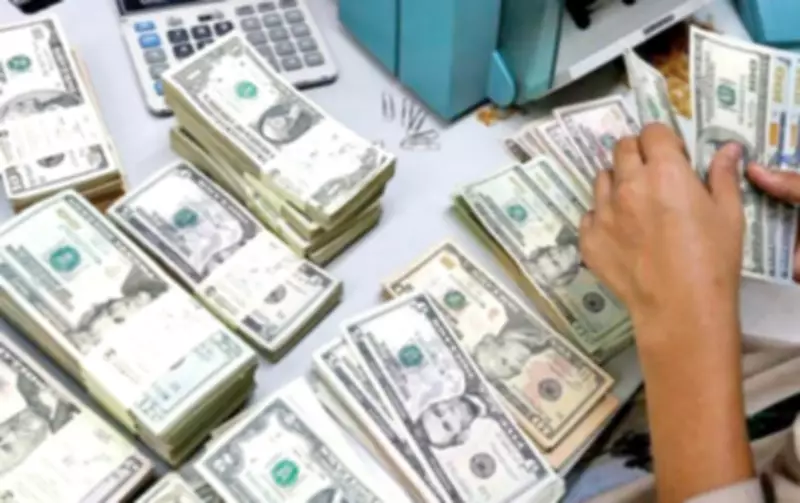
Pakistan's foreign exchange reserves experienced a slight but notable increase during the week ending February 27, 2026, according to official data released by the State Bank of Pakistan (SBP). The central bank's foreign currency reserves rose by $87 million, reaching a total of $16.3 billion. This uptick reflects ongoing efforts to stabilize the country's economic position in a challenging global environment.
Total Liquid Foreign Reserves Reach $21.434 Billion
When combined with the net foreign reserves held by commercial banks, which amounted to $5.134 billion, Pakistan's total liquid foreign reserves stood at $21.434 billion. This comprehensive figure provides a clearer picture of the nation's financial buffer against external shocks and supports its import capacity and debt servicing obligations.
The Pakistani rupee registered a marginal gain in the inter-bank market on Thursday, appreciating by Rs0.01 against the US dollar. The currency closed at 279.41, compared to 279.42 the previous day, indicating relative stability in the foreign exchange market amidst broader economic uncertainties.

Gold Prices Decline in Domestic and International Markets
Gold prices in Pakistan witnessed a significant decline, mirroring losses in the international market. The drop was driven by rising US Treasury yields and a stronger US dollar, which typically dampen the appeal of non-yielding assets like gold. Additionally, escalating concerns over the Middle East conflict fueled fears of potential inflation spikes, further weighing on investor sentiment.
According to rates issued by the All-Pakistan Gems and Jewellers Sarafa Association (APGJSA), the price of gold per tola fell by Rs2,800, settling at Rs537,162. Similarly, the price of 10 grams of gold decreased by Rs2,401 to Rs460,529. This decline follows a sharp fall in the domestic market just a day earlier, when gold prices dropped by Rs10,000 per tola to settle at Rs539,962 on Wednesday.
Silver prices also followed the downward trend in the local market, with the price per tola decreasing by Rs194 to reach Rs8,810. The synchronized decline in precious metals highlights the broader impact of global economic factors on Pakistan's commodity markets.
International Gold Market Reacts to Geopolitical and Economic Signals
In the international market, gold prices slipped after earlier gains as investors responded to a mix of macroeconomic signals and geopolitical developments. Spot gold fell 0.7% to $5,099.48 per ounce as of 1448 GMT, after earlier touching a high of $5,194.59 during the session. Meanwhile, US gold futures for April delivery declined 0.5% to $5,108.70 per ounce.
Market sentiment remained cautious due to the intensifying conflict in the Middle East. Reports indicated that the bombing of Tehran had escalated as the war entered its sixth day, raising fears that prolonged instability in the region could disrupt energy supplies and push inflation higher globally. Such geopolitical tensions often drive investors towards safe-haven assets, but in this case, the stronger dollar and rising yields offset that effect.
US Economic Data Influences Bullion Prices
Economic data from the United States also played a crucial role in shaping bullion prices. A report from the Federal Reserve indicated that US economic activity expanded slightly in recent weeks, signalling resilience in the world's largest economy. This strength reduces the likelihood of aggressive monetary easing, which is typically supportive of gold prices.
Furthermore, data showed that US weekly jobless claims remained unchanged last week, suggesting continued stability in the labour market. Investors are now awaiting the release of the US employment report for February, scheduled for Friday, which could provide further clues about the Federal Reserve's monetary policy outlook and its subsequent impact on gold prices.
The interplay between geopolitical risks and economic indicators underscores the complex dynamics affecting global commodity markets, with Pakistan's economy feeling the ripple effects through its foreign reserves and domestic gold prices.