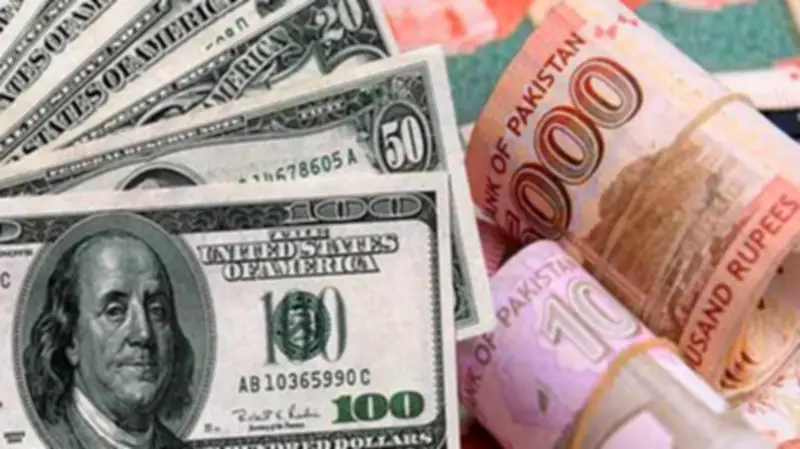
The Pakistani rupee exhibited notable stability against major international currencies on Monday, with the State Bank of Pakistan (SBP) releasing interbank exchange rates that reflected continued resilience in the foreign exchange market. According to the SBP, the US dollar traded at Rs278.17 in the interbank market on June 29, 2026, registering only a marginal movement against the rupee. The currency market remained steady, supported by improving investor sentiment and stable foreign exchange reserves.
Gulf Currencies Remain Steady
Among Gulf currencies, the Saudi Riyal was quoted at Rs74.07, while the UAE Dirham traded at Rs75.74. The stability of both currencies is particularly significant for millions of overseas Pakistanis working in Saudi Arabia and the United Arab Emirates, whose remittances continue to play a vital role in supporting Pakistan’s economy and strengthening foreign exchange reserves. Other Gulf Cooperation Council (GCC) currencies also remained stable. The Kuwaiti Dinar, one of the world's highest-valued currencies, was priced at Rs903.45, while the Bahraini Dinar stood at Rs737.85. The Qatari Riyal traded at Rs76.32, and the Omani Rial also remained firm against the Pakistani rupee.
British Pound and Other Major Currencies
The British Pound was traded at Rs367.62, maintaining levels close to previous sessions. The United Kingdom remains one of the largest sources of remittances for Pakistan due to its sizeable Pakistani diaspora. Among other major currencies, the Canadian Dollar was quoted at Rs196.03, while the Australian Dollar traded at Rs191.81. Both Canada and Australia have become increasingly important destinations for Pakistani students, professionals and skilled workers, with remittances from these countries contributing to Pakistan's foreign exchange inflows.

Economic Factors Behind Stability
Economists attributed the rupee's resilience to sustained economic recovery, improving foreign exchange reserves and the State Bank of Pakistan's prudent monetary policy. They noted that the average weighted interbank exchange rate has remained within a narrow range throughout 2026, reflecting effective management of foreign exchange supply and demand. Analysts said the stable exchange rate environment has strengthened confidence among investors and international lenders, while helping improve Pakistan's external account and overall balance of payments position.