Bangladesh's New PM Confronts Economic Crisis as Iran War Disrupts Fuel Imports
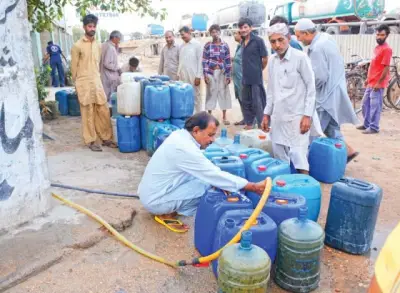
Bangladesh has been compelled to implement significant fuel price increases, dealing a severe blow to Prime Minister Tarique Rahman's economic stabilization agenda. The nation's recovery plans have been thrown into disarray by the ongoing US-Israeli military conflict with Iran, which has severely disrupted global energy markets and supply chains.
Energy Crisis Forces Government Action
With a population exceeding 170 million people and dependency on imports for 95% of its energy requirements, Bangladesh finds itself in a precarious position. The conflict, which escalated with attacks beginning February 28, has triggered Iranian retaliatory strikes against American-linked assets throughout the fuel-rich Gulf region. These developments have effectively halted exports and resulted in the closure of the critical Strait of Hormuz shipping corridor.
The Bangladeshi government initially attempted to cushion the economic impact through multiple strategies:

- Implementing substantial fuel subsidies to maintain price stability
- Diversifying energy supply sources to reduce dependency
- Securing $2 billion in emergency loans from international financial institutions including the World Bank, Asian Development Bank, and Islamic Development Bank
These funds were intended to secure alternative fuel supplies, including purchases from the more expensive spot market. However, these temporary measures have proven unsustainable, forcing the Ministry of Power, Energy and Mineral Resources to announce retail fuel price increases ranging from 10% to 15%.
Expert Analysis Predicts Widespread Economic Consequences
Professor Mustafizur Rahman, a distinguished fellow at Dhaka's Centre for Policy Dialogue, explained the government's difficult position to Arab News. "They attempted to maintain stability as long as the economy could withstand the pressure, but we've reached a critical juncture where uncertainty surrounding the Strait of Hormuz has become overwhelming," he stated.
The economic expert outlined the cascading effects already underway:
- Implementation of fuel rationing measures
- Significant challenges in electricity generation and distribution
- Inevitable inflationary pressures from fuel price adjustments
- Negative impacts on investment momentum and employment growth
"The impact has already begun manifesting across multiple sectors," Professor Rahman emphasized. "Now we must adjust fuel prices, which will create knock-on effects throughout the economy at precisely the wrong moment—when investment and employment growth lack substantial momentum."
Long-Term Challenges for New Administration
Prime Minister Tarique Rahman assumed office just two weeks before the conflict erupted, taking over from an interim government that had led Bangladesh for eighteen months following the ousting of longtime Premier Sheikh Hasina during student-led protests in August 2024.
The interim period saw minimal foreign and domestic investment, making the new administration's 180-day economic program particularly crucial. This plan was designed to accelerate private sector expansion and stimulate employment creation—objectives now threatened by the energy crisis.
Professor Rahman warned of extended recovery timelines: "Key areas for restoring macroeconomic stability—including inflation reduction, investment sector revitalization, and banking sector normalization—won't be easily achieved in the short term. Even with optimal management of current challenges, overcoming the war's impacts will require at least eighteen months to two years."
The economist further cautioned about persistent inflationary pressures: "Commodity prices across all sectors will rise following fuel price increases. Historical patterns show that once prices escalate, they rarely retreat to previous levels. Even if fuel prices eventually stabilize, the inflationary pressure created by this crisis will likely persist well into the future."
Additionally, the government now faces the burden of repaying emergency loans acquired for fuel procurement, further complicating fiscal management during this critical stabilization period.