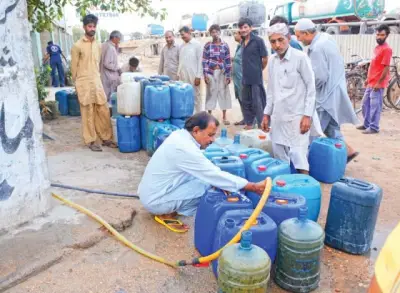
Pakistan's Fuel Price Hike Sparks Inflation Fears During Ramadan
A sudden and substantial increase in fuel prices by nearly 20% in Pakistan has ignited widespread concern over its long-term economic repercussions. This abrupt policy move, implemented without adequate consideration, threatens to trigger another wave of inflation, further squeezing disposable incomes for citizens already grappling with financial strain. The timing of this decision, occurring in the middle of Ramadan with Eid approaching, has drawn sharp criticism, as it contrasts sharply with the price control measures typically enforced by Islamic governments during this holy period.
Economic Fallout and Policy Shortcomings
The fuel price hike is expected to exert significant pressure on the Pakistani rupee, potentially leading to further devaluations that could undermine currency stability. This development poses a severe risk to the industrial sector, which may experience accelerated erosion, retarded growth, and diminished competitiveness. Consequently, investment prospects are likely to wane, exacerbating unemployment and deepening poverty levels in an already highly polarized socio-economic environment.
Instead of resorting to such draconian measures, economic analysts argue for innovative solutions that could mitigate pain and foster sustainable growth. These include rethinking regional trade connectivity with neighbors like Iran, curbing expandable imports and government spending, reducing the size of the bureaucracy, and implementing a phased approach to price adjustments. However, the current pattern suggests a reliance on foreign dictates rather than homegrown, skilled management, which could leave a lasting negative impact on national manufacturing and investment recovery.

The Human Cost During Ramadan
Ironically, this policy shift demonstrates a lack of empathy and consultation with real stakeholders, such as businesses and consumers. During Ramadan, when many families are preparing for Eid celebrations, the increased cost of fuel translates directly into higher prices for essential goods and services. This situation provides a perfect excuse for hoarders and profiteers to exploit market vulnerabilities, further straining household budgets.
In contrast, successful economies globally have charted their growth by motivating stakeholders and leveraging entrepreneurial potential. By releasing private-sector energies, these nations have created momentum that benefits both the state and its citizens. Pakistan's repeated reliance on myopic bureaucratic decisions and imported managerial approaches has, unfortunately, deepened economic quagmires, stifling the very engines of growth.
Pathways to Sustainable Economic Management
To reverse this trend, Pakistan must adopt a two-pronged strategy akin to other successful developing economies. First, updating and recalibrating statistical weights in economic indicators, such as the Consumer Price Index (CPI) basket, is crucial. This involves closely monitoring shifts in household spending patterns, particularly the share of food, services, and consumption trends. By aligning policymaking with these evolving dynamics, the government can better address people's changing needs.
Engel's Law illustrates that as disposable incomes rise, households allocate a smaller portion of their budgets to food and more to housing, transport, healthcare, education, and discretionary services. This transition can steer the economy toward higher growth if managed effectively. Second, securing the production side through improved methodologies, such as leveraging regional GST data and enhancing coverage of the unincorporated sector, is essential for sustainable expansion.
Lessons from Global Success Stories
Countries that have raised per capita incomes to $5,000 or more share a common trait: private final consumption expenditure constitutes over half of their GDP, highlighting the pivotal role of household demand in driving economic growth. For Pakistan, expanding the productive manufacturing base sustainably is key to becoming a reliable supply-chain source and boosting incomes across all segments.

While services like trade, transport, finance, real estate, and professional activities are important growth drivers, industrial expansion remains at the core of successful economic narratives over the past five decades. Pakistan must urgently arrest the exodus of domestic manufacturing to avoid falling behind, as seen in some African nations and neighboring Afghanistan. Once the economic structure and social contract begin to fracture, regaining momentum becomes increasingly difficult.
The signs are clear, but the question remains: will Pakistan learn from these lessons and pivot toward a more prudent, people-centric economic policy?