Historic Fossil Fuel Exit Conference Opens in Colombia
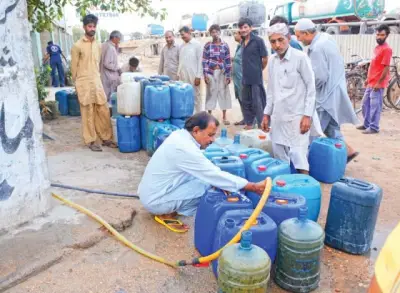
More than 50 nations are convening in Santa Marta, Colombia, for the world's inaugural conference dedicated to phasing out fossil fuels. This landmark event, scheduled for April 28 and 29, unfolds against a backdrop of severe energy disruptions caused by the Iran war, which has triggered fuel shortages, skyrocketing prices, and a global scramble for energy security. The International Energy Agency has labeled this the most significant oil supply shock in history.
Energy Crisis and Climate Priorities Collide
The conference was organized out of frustration with the stalled consensus-based United Nations climate negotiations. Organizers argue that the energy shock, resulting from Iran's blockade of the Strait of Hormuz—a critical transit route for Gulf oil and gas—has actually strengthened the case for transitioning away from fossil fuels. However, analysts note that energy security concerns will heavily influence the high-level discussions, alongside climate priorities.
Colombia's Environment Minister Irene Velez Torres, whose country is co-hosting with the Netherlands, stated that the meeting has gained "greater relevance" due to the ongoing energy crisis. Attendees include major fossil fuel producers like Australia, Canada, and Norway, developing oil giants such as Angola, Mexico, and Brazil, and coal-dependent emerging markets like Turkiye and Vietnam. They will be joined by dozens of other nations, ranging from small-island developing states to major economies like Germany, France, and the UK.

Notable Absences and Emerging Coalitions
Significantly, the world's largest coal, oil, and gas producers—including the United States, China, Saudi Arabia, and Russia—are not participating. The event is being closely monitored for political signals from an emerging coalition of fossil fuel producers and consumers advocating for a phaseout outside the UN framework. Colombia, itself a coal and oil exporter, highlighted that participating countries represent one-fifth of global fossil fuel production and nearly one-third of consumption.
Some governments and activists have raised concerns about the involvement of producer nations, accusing fossil fuel interests of influencing UN climate negotiations. Climate scientist Bill Hare, founder of the Climate Analytics think tank, cautioned that a larger group of countries could dilute interests and hinder sharp outcomes. In response, Minister Velez Torres emphasized that having producer countries present is a "major step forward" in addressing this "taboo" topic.
Short-Term Challenges and Long-Term Goals
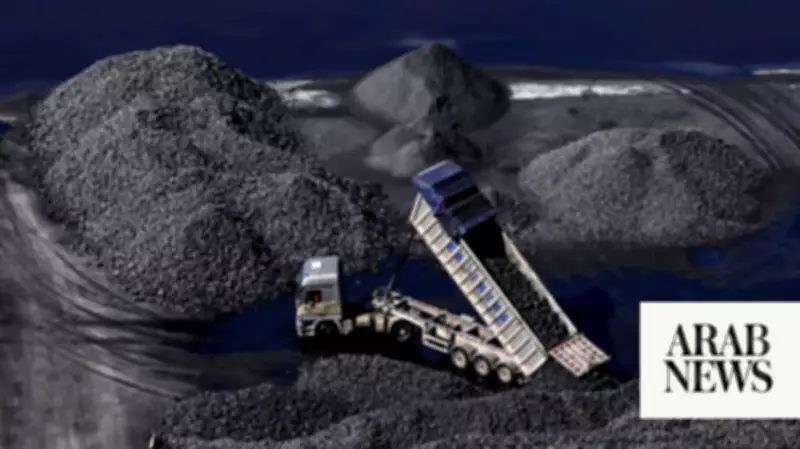
Despite global investments in clean energy being roughly double those in fossil fuels, emissions from burning coal, oil, and gas reached a record high in 2025. In reaction to the energy crisis, some countries plan to increase coal use to fill short-term supply gaps, underscoring the difficulty of reducing fossil fuel reliance even in advanced economies.
Vanuatu's Climate Minister Ralph Regenvanu, whose Pacific Island nation depends heavily on energy imports, described the crisis as "unequivocally a call to lessen dependence on fossil fuels for everyone." He expressed enthusiasm for being a "first mover" in this space. Meanwhile, nearly 200 countries agreed at COP28 in 2023 to transition away from fossil fuels, but implementation has faced strong resistance, culminating in tensions at COP30 in Brazil where nations failed to include an explicit fossil fuel reference in the final deal.
Path Forward and Voluntary Roadmap
Beth Walker, an analyst from the E3G think tank, clarified that the Santa Marta conference is not a rival to UN talks but rather an opportunity for motivated nations "to take concrete steps forward." She noted that while there are many difficult issues to address, this conversation can build its own legitimacy and momentum over time. No major announcements are expected, but the conference's recommendations will contribute to a voluntary "roadmap" away from fossil fuels, led by Brazil.

Minister Velez Torres concluded, "We need to start a more honest space where we can discuss this more openly, and bring all cards to the table. Nobody is saying that the way to eliminating fossil fuels is easy. But we need to bring these people together." This sentiment echoes the broader goal of the conference: to foster open dialogue and actionable steps toward a sustainable energy future.