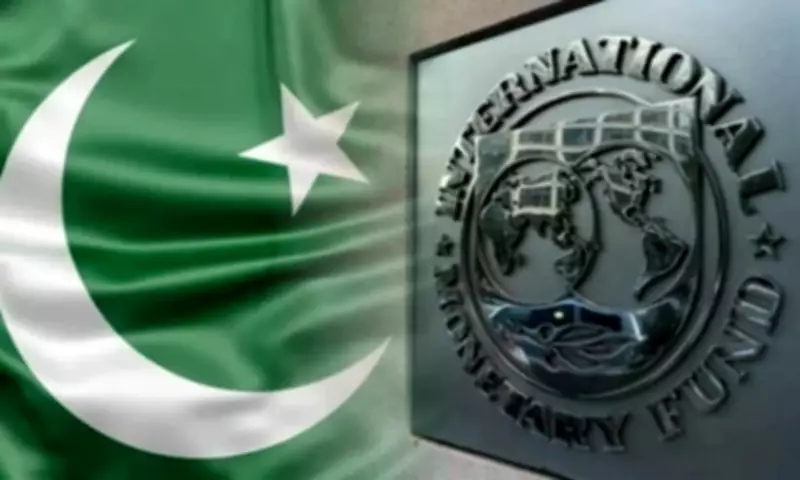
Pakistan and IMF Secure Staff-Level Agreement for $1.21 Billion Disbursement
In a significant development for Pakistan's economy, the government and the International Monetary Fund (IMF) have successfully reached a staff-level agreement for a disbursement of $1.21 billion. This agreement is part of the ongoing Stand-By Arrangement, which aims to provide financial support and stabilize the country's economic framework. The deal marks a crucial step forward in Pakistan's efforts to address its fiscal challenges and maintain macroeconomic stability.
Details of the Agreement and Its Implications
The staff-level agreement, which was finalized after extensive negotiations, involves the release of $1.21 billion under the IMF's Stand-By Arrangement. This disbursement is contingent upon the completion of the second review of Pakistan's economic performance, which assesses progress on key reforms and policy measures. The IMF has emphasized that the agreement is subject to approval by its Executive Board, a process that typically follows after all conditions are met.
This development is expected to bolster Pakistan's foreign exchange reserves and provide much-needed liquidity to support the economy. The funds will help the government manage its external debt obligations and finance essential imports, thereby reducing pressure on the balance of payments. Additionally, the agreement underscores Pakistan's commitment to implementing structural reforms, including measures to enhance revenue collection, reduce fiscal deficits, and improve governance in key sectors.

Economic Context and Future Prospects
The agreement comes at a critical time for Pakistan, which has been grappling with economic headwinds such as high inflation, currency depreciation, and a widening current account deficit. The IMF's support is seen as vital for restoring investor confidence and paving the way for sustainable growth. Experts note that the disbursement could also facilitate access to additional financing from other international lenders and bilateral partners.
Looking ahead, the successful implementation of the IMF program is expected to have broader implications for Pakistan's economic trajectory. Key areas of focus include:
- Strengthening fiscal discipline through improved tax policies and expenditure management.
- Enhancing the efficiency of state-owned enterprises to reduce fiscal burdens.
- Promoting private sector investment to drive job creation and economic diversification.
While the staff-level agreement is a positive milestone, challenges remain in ensuring that the reforms are effectively carried out and that the benefits reach the broader population. The government will need to maintain momentum in its reform agenda to secure long-term economic stability and growth.