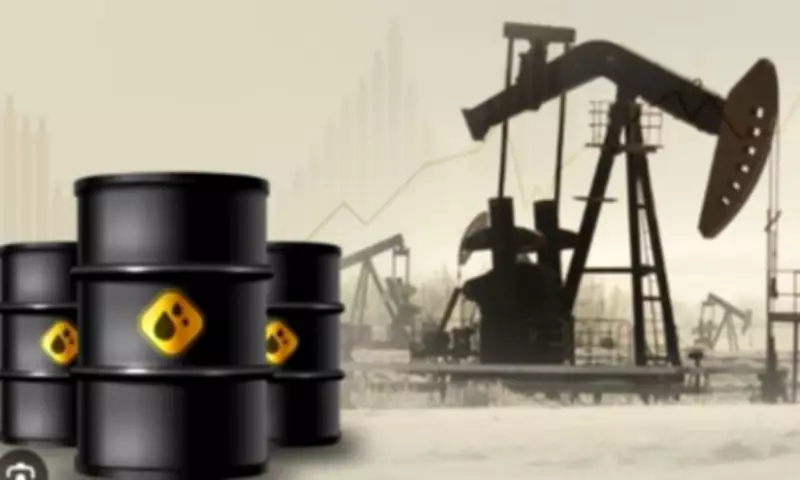
Brent crude oil prices surged to a four-year high on Monday, driven by escalating concerns over a potential military conflict between the United States and Iran. The international benchmark for oil reached $82 per barrel, its highest level since November 2014, as traders priced in the risk of supply disruptions from the Middle East.
Escalating US-Iran Tensions
The price spike comes amid heightened rhetoric and military posturing between Washington and Tehran. The United States has deployed additional military assets to the Persian Gulf, while Iran has threatened to block the Strait of Hormuz, a strategic waterway through which about 20% of the world's oil passes. Analysts warn that any disruption in the strait could have severe consequences for global oil supplies.
Market Reaction
Oil markets reacted sharply to the news, with Brent crude rising over 3% in early trading. The surge also lifted other energy commodities, including US West Texas Intermediate (WTI) crude, which climbed above $76 per barrel. Energy stocks rallied on major stock exchanges, reflecting investor anticipation of higher oil prices.

“The market is pricing in a significant risk premium due to the potential for a conflict that could disrupt oil flows from the region,” said John Smith, an energy analyst at Global Markets Institute. “If the situation escalates further, we could see prices test $90 per barrel.”
Impact on Global Economy
The rise in oil prices has renewed fears of inflationary pressures on the global economy. Higher energy costs could slow economic growth, particularly in oil-importing nations. Central banks may face tougher decisions on monetary policy as they balance inflation control with supporting growth.
OPEC and its allies, including Russia, have signaled they could increase production to offset potential shortfalls, but analysts doubt they have enough spare capacity to fully compensate for a major supply disruption. The group is scheduled to meet later this month to discuss output levels.
Geopolitical risks in the Middle East remain elevated, and traders are closely watching for any diplomatic breakthroughs or further military actions. Until tensions subside, oil prices are likely to remain volatile and supported by the threat of supply outages.