Government Vows to Support Decentralized Solarization as Sustainable Energy Solution
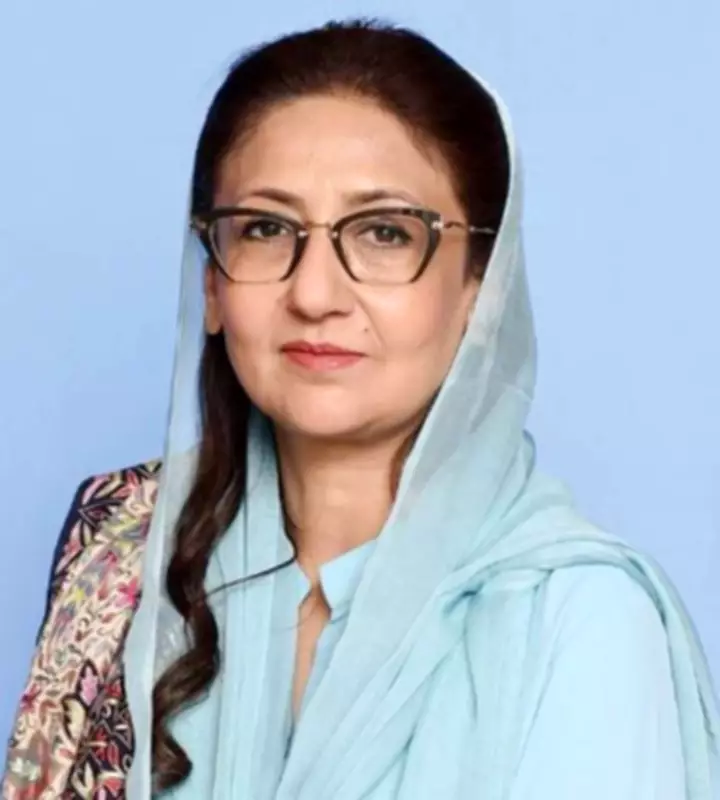
State Minister for Climate Change and Environmental Coordination, Dr. Shezra Mansab Ali Kharral, has reaffirmed the incumbent government's commitment to backing decentralized solarization in Pakistan. She emphasized that this approach is eco-friendly, affordable, and financially viable for the nation's future. The announcement came during a seminar organized by the Policy Research Institute Equitable Development (PRIED), an independent energy and climate think-tank, titled "Pakistan’s just-energy transition and climate agenda in the time of war in Iran."
Unanimous Call to Avoid Fossil Fuel Trap Amid Regional Conflict
Parliamentarians, government officials, activists, and civil society representatives at the seminar were unanimous in their stance that the war in the Persian Gulf should not compel Pakistan into a fossil fuel dependency. They highlighted the vulnerabilities of fossil fuels, including susceptibility to external shocks such as supply chain disruptions and volatile price fluctuations. These factors, they argued, make fossil fuels unreliable for a financially sustainable energy policy.
Instead, participants urged the government to leverage the current war-induced energy crisis as an opportunity to accelerate a systematic transition toward renewable energy sources, with a particular focus on decentralized solarization. Dr. Kharral addressed the challenges posed by energy shortages and price hikes resulting from the conflict, stating, "We have done our level best to pass on the minimum impact of the energy supply disruptions and prices to the people." She assured that while the government is dedicated to resolving the energy crisis, it will avoid decisions that could trap Pakistan in long-term, expensive fossil fuel contracts.

Commitment to Global Climate Promises and Renewable Energy
Dr. Kharral further reinforced the government's commitment to its global pledge to phase down fossil fuels in Pakistan. "We will continue to support the decentralized solarization going on in the country because that is the only environmentally sustainable, economically affordable and financially viable pathway for Pakistan towards a cleaner, greener and prosperous future," she declared.
Dr. Nafisa Shah, a member of the National Assembly and co-convener of the Parliamentary Forum on Energy and Economy, echoed this sentiment by stressing the need for long-term policymaking that prioritizes renewable energy over fossil fuels. She advocated for maximum energy autonomy at both individual and national levels, proposing that the government should encourage solar power by removing taxes and subsidizing it for those who cannot afford it, rather than imposing additional levies.
Equitable Access and Global Perspectives on Energy Crisis
Shaista Pervaiz Malik, convener of the Parliamentary Task Force on Sustainable Development Goals (SDGs), highlighted that equitable access to affordable and sustainable energy is integral to the SDGs agenda. She explained the government's challenges in maintaining smooth energy supply and controlling prices during the war, noting that accelerating renewable energy adoption remains a top priority.
Lidy Nacpil, a globally renowned climate justice activist from the Philippines and convener of the Asian People Movement on Debt and Development (APMDD), provided an international perspective. She pointed out that the war in the Persian Gulf has triggered severe energy, economic, and financial crises across Asia, particularly in countries like the Philippines, Vietnam, and Pakistan, which heavily rely on fossil fuel imports from the Gulf region. "Future energy policies should protect countries in the Global South from supply and price shocks, they should not destroy our climate and they should not increase the debt burden of the countries in the region," Nacpil asserted. She emphasized that prioritizing renewable energy, especially wind and solar power, is essential to achieving these objectives simultaneously.

Industry Demands for Tax Relief on Solar and Storage Systems
Waqas Moosa, chairman of the Pakistan Solar Association, called on the government to extend tax relief beyond solar panels to include battery storage energy systems. He noted that these systems currently face taxes as high as 48 percent. By eliminating these taxes, Moosa argued, the government could facilitate a battery revolution that would help Pakistan address intermittency issues associated with renewable energy sources like wind and solar, thereby enhancing grid stability and reliability.