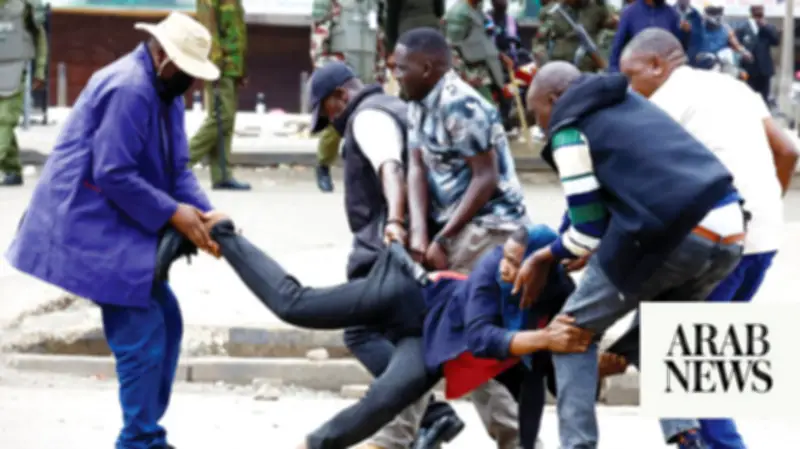
The first sign of trouble in Kenya was not a headline on a trading screen but the silence on Nairobi's usually bustling roads. In mid-May, matatu drivers parked their minibuses in protest of yet another steep fuel price hike blamed on the Gulf war. By the time the government persuaded operators to suspend the strike, four people were dead, more than 30 injured, and around 700 arrested nationwide. Schools shut, the main trade corridor was disrupted, and thousands were forced to walk long distances to work.
Global Impact of the Hormuz Crisis
Beyond Kenya, governments are resorting to drastic measures to cope with the same shock. Across Asia, ministries have ordered air conditioners in public offices turned up, shortened working hours, and imposed four-day weeks for civil servants to save electricity and fuel. In India, Prime Minister Narendra Modi urged citizens to work from home, use public transport, and delay foreign travel and gold purchases to conserve foreign exchange as oil prices surge. From Dhaka to Islamabad, the message is similar: consume less and expect less.
The International Energy Agency stated that the US-Israeli war with Iran has created the largest oil supply disruption in history, with the effective blocking of the Strait of Hormuz and production cuts across Gulf exporters knocking around 8 million barrels a day off global supply in March. IEA members have agreed to release a record 400 million barrels from strategic stockpiles to offset shortages and a spike in prices.

Economic Consequences for Developing Countries
Developing-country growth is now expected at 3.6 percent in 2026, down from earlier projections, with inflation at 5.1 percent — a full percentage point above prewar forecasts — according to the World Bank's April 2026 outlook, which describes the current disruption as the largest oil shock on record. Energy prices are forecast to rise about 24 percent this year, with knock-on effects on fertilizer and food costs that could push tens of millions of people into acute food insecurity.
In late May, the UN World Food Programme warned that 363 million people are now at risk of acute hunger worldwide, 45 million of them as a result of conflicts in the Middle East and the consequent oil price spike. Carl Skau, WFP's acting executive director, explicitly said the war and closure of Hormuz had compounded other crises to drive record numbers into hunger at a time when funding to combat famine is falling. He told the Guardian, "We take from the hungry to give to the starving. That's the reality," adding that higher oil prices raise WFP's own operating costs and have blocked some aid routes.
The Strait of Hormuz Blockade
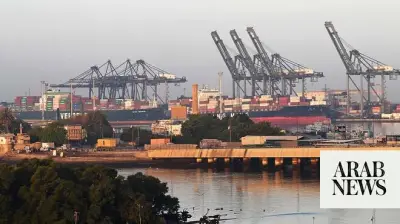
The Strait of Hormuz — through which around 20 percent of the world's oil, liquified natural gas, and fertilizer normally flows — has been effectively closed to commercial shipping for nearly 100 days. Oil prices fell briefly on hopes of a diplomatic breakthrough, before shooting up again this week after Iran broke off indirect talks with Washington and threatened to simultaneously close the Bab Al-Mandab Strait — the gateway to the Red Sea — in coordination with Yemen's Houthis. A dual closure, analysts warn, would put up to 25 percent of global oil and gas supplies, and around 10 percent of global trade, at risk.
Uneven Burden on Rich and Poor Nations
So far, the burden has fallen unevenly. In Europe and other rich economies — where central banks have room to tighten, safety nets are deeper, and governments can tap strategic reserves or issue more debt — higher fuel prices are painful but manageable. In much of Africa, South Asia, and non-oil-rich parts of the Middle East and North Africa, the calculus is harsher. Many of these states import most of their fuel from Gulf suppliers, pay in dollars through weakened currencies, and face fiscal constraints and high debt-servicing costs, leaving little room for maneuver.

In Kenya, the impact of the war was initially muted by government fuel subsidies and regulated prices that lagged the wholesale market. But after absorbing costs of more than $270 million, the government hiked fuel prices by almost 25 percent in May, saying strains on the budget had forced its hand. The move sparked immediate protests and a nationwide transport strike. Similar tensions have surfaced elsewhere. In Comoros and Mozambique, minibus drivers walked off the job after diesel prices jumped by nearly half, disrupting daily life and exposing how little room governments have left to shield households from global prices.
Long-Term Squeeze Expected
But with the disruption choking off global oil supplies and a deal proving elusive, many are braced for a longer squeeze. Mark Russell, chief executive of Puma Energy, which runs more than 700 fuel stations in Africa, told the Financial Times, "This is increasingly a 'higher for longer' environment, which we expect to last for the next few months." He added, "Governments will need to continue managing regulated fuel prices in a way that protects security of supply, while avoiding excessive pressure on public finances."
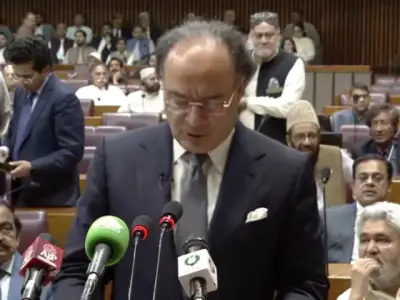
In Pakistan, where the fuel shock intersects directly with International Monetary Fund conditionality, the government sought to offset the latest rises — 43 percent for petrol and 55 percent for diesel. To do so, it implemented a month of free public transport in major cities, targeted subsidies for truckers, bikers, and small farmers, and fuel-saving measures such as shifting some official work online and lengthening school holidays. The package eased the immediate backlash but did little to change the underlying arithmetic of a heavily indebted state with limited space to keep shielding consumers.
Political Minefield of Subsidies
Behind these stories lies the political minefield of subsidies. The IMF estimates that explicit subsidies worldwide cost about $730 billion in 2024. In MENA and parts of Africa, cheap fuel has long been viewed as an implicit social contract. Yet maintaining broad, untargeted subsidies at today's prices is fiscally ruinous for governments already close to default. Removing them without credible, visible alternatives risks turning the filling station into a flashpoint. Nigeria shows how quickly that can happen. Long treated as a textbook example of how not to run a fuel subsidy, Africa's biggest oil producer scrapped its petrol subsidy in 2023 and moved to unify its exchange rates. Pump prices have since spiked, the naira has tumbled, and inflation has hit record levels, feeding a wave of protests.
Fuel Crisis as a Weapon
In some places, the fuel crisis is no longer just an economic variable but a weapon. In Mali, the Al-Qaeda-linked coalition JNIM has used roadblocks and ambushes to impose a de facto fuel and food blockade around Bamako, disrupting supplies ahead of Eid in an effort to suffocate the economy and undermine the ruling junta. Analysts warn that similar tactics are emerging in other Sahel states as extremist groups seek leverage over trade and daily life. As those groups push south into Benin, Togo, and Cote d'Ivoire — all net fuel importers already hit by higher prices — the line between protest and insurgent strategy risks blurring.
International Financial Institutions' Role
International financial institutions insist there is a middle path: gradual subsidy reform, transparent price-setting, and redirecting savings into targeted transfers and public services. Montfort Mlachila, deputy director of the IMF African Department, told Africanews in May, "We are providing support to allow countries to adjust to these major shocks by providing financial assistance and, crucially also, by trying to build up their resilience," rejecting the idea that IMF-advised policies inevitably worsen hardship. In practice, however, civil society groups say the adjustment burden still falls hardest on those least able to bear it, while debt service and military spending remain largely untouched.
As oil prices stay volatile and the war in the Gulf shows little sign of a durable settlement, many African and Middle Eastern capitals face a stark question: how many more fuel shocks can fragile states absorb before fiscal strain, street anger, and armed opportunism converge into something far harder to control?