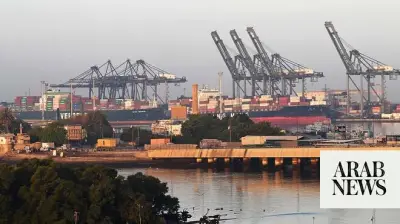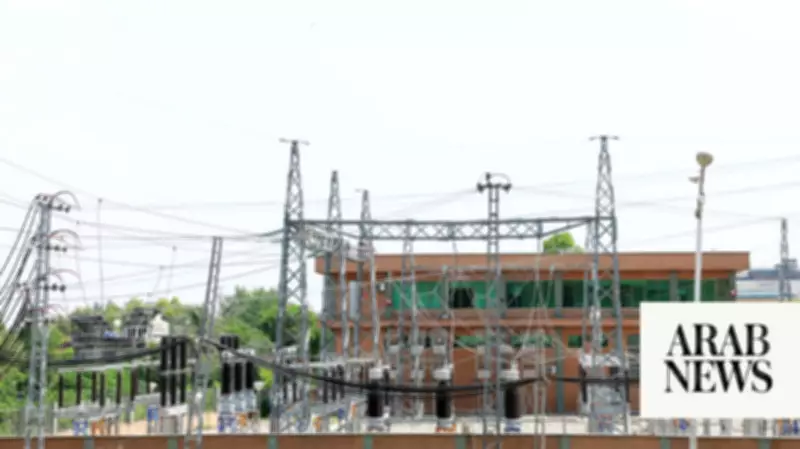
Pakistan announced on Thursday that liquefied natural gas (LNG) shortages, exacerbated by the ongoing conflict in Iran, have knocked out approximately 4,700 megawatts of electricity generation capacity. Despite this, authorities managed to avoid peak-time outages by increasing hydropower output and utilizing local gas supplies.
Government Statement on Power Situation
A statement from the Power Division confirmed that no load-shedding was carried out during peak evening hours on April 29. Hydropower generation reached around 6,000 MW, and additional domestic gas helped stabilize the national grid. The spokesperson noted that the increase in hydropower and improved local gas availability allowed transmission of up to 500 MW from the southern region to the national grid.
Impact of Iran Conflict on Energy Supplies
The energy supply disruptions stem from weeks of war in Iran, which began with joint US-Israeli strikes. Iran has closed the Strait of Hormuz, a critical route for about one-fifth of global oil and gas supplies, while the United States has enforced a counter-blockade of Iranian ports. This has severely affected global energy markets and maritime trade.

Pakistan has not received any LNG cargoes loaded after the conflict began on February 28. In response, Pakistan LNG Limited issued its first spot tender since December 2023 for three cargoes. Azerbaijan's state energy company SOCAR has expressed readiness to supply LNG to Pakistan under a 2025 framework agreement that allows direct purchases through an accelerated process.
Global Energy Market Reactions
The situation around the Strait of Hormuz remains tense. US President Donald Trump stated on Wednesday that the naval blockade could last for months, arguing it is more effective than bombing Iran. In response, global energy prices surged, with Brent crude for June delivery jumping over 5 percent to $124.81 a barrel, its highest in over four years. US West Texas Intermediate rose about 2 percent to above $109.
Officials warned that power shortages could persist, with relief tied to improved LNG availability and higher water releases for power generation. The country is closely monitoring the situation and exploring alternative energy sources to mitigate the impact.