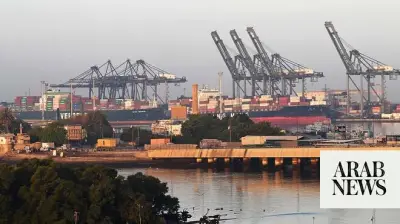
Pakistan has officially ended planned power outages following the arrival of liquefied natural gas (LNG) supplies, Energy Minister Awais Ahmad Khan Leghari announced in a televised statement on Friday. The development comes after the country experienced intermittent power cuts in mid-April, which authorities attributed to LNG supply constraints exacerbated by the ongoing conflict in Iran.
LNG Arrival Ends Load-Shedding
"Yesterday, we received LNG, and as soon as the gas arrived, load management of electricity has now ended," Leghari stated. He explained that Pakistan had been forced to implement up to five hours of load-shedding—a local term for planned power outages—on April 13 and 14, before gradually reducing the duration in subsequent days. From April 19 to April 29, outages were limited to two to two-and-a-half hours daily.
Gas Shortages Blamed for Disruptions
The minister emphasized that the outages were not due to negligence or system failures but resulted from gas shortages that constrained electricity production. "If we had generated electricity using diesel or furnace oil to eliminate load-shedding entirely, it would have been very expensive," he said, noting that higher costs would have burdened consumers. Pakistan has been balancing limited gas availability with hydropower generation and costly fuel-based electricity to avoid prolonged outages.

Hydropower Generation Increases
Leghari highlighted a significant rise in hydropower output, which has helped stabilize supply. "Hydropower generation has now reached 6,000 megawatts, whereas earlier it used to be around 1,000 megawatts," he said. He also dismissed claims that Pakistan had a surplus generation capacity of 46,000 megawatts, clarifying that actual capacity stands at around 32,000 megawatts.
Government Measures and Future Outlook
The minister said the government had taken timely measures to prevent further outages and expressed hope that load-shedding would not return. "As it did not happen before, we hope it will not happen again," he added. Authorities will continue efforts to shield consumers from high electricity costs while maintaining supply stability.