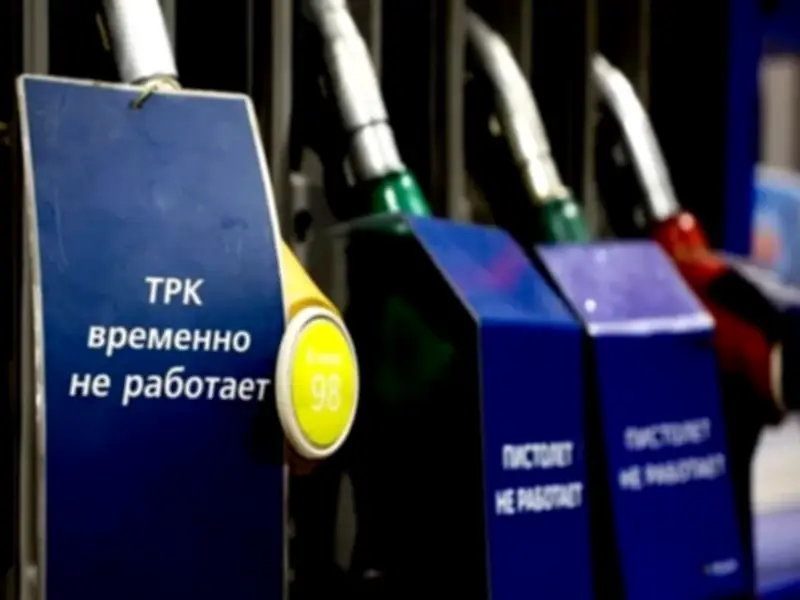
Russia's decision to ban diesel exports this week has sent shockwaves through global energy markets, exacerbating shortages of the industrial fuel and driving prices higher, even in countries that no longer purchase the fuel from Moscow. Diesel accounts for the largest share of global oil consumption, and Russia is the world's second-largest diesel exporter after the United States. Refinery outages in Russia can significantly impact global fuel supplies.
Export Slowdown Prior to Ban
Russian diesel exports were already declining before the ban due to domestic shortages caused by Ukrainian drone attacks. According to data from Kpler, diesel and gasoil loadings from Russia were just 234,000 barrels per day (bpd) from July 1 to 10, down from 400,000 bpd in June and well below the 2025 average of around 817,000 bpd. This sharp drop has tightened global supplies.
US Attacks on Iran Add Pressure
Adding to the pressure on diesel supply, a fresh wave of US attacks on Iran occurred just hours after Russia announced the export ban on Wednesday. This has revived concerns about vessel movements through the Strait of Hormuz, a critical chokepoint for global oil shipments, and has taken a toll on Middle Eastern exports. The combination of these events has created a perfect storm for diesel markets worldwide.

The ban is expected to have far-reaching consequences, particularly for countries heavily reliant on Russian diesel imports. While some nations have diversified their sources, the sudden removal of a major supplier from the market has caused prices to spike globally. Industry analysts warn that the situation could worsen if the ban persists or if further disruptions occur in the Middle East.