Saudi Arabia is considering expanding the capacity of its East-West crude oil pipeline to the Red Sea coast, five sources close to the matter said, enabling the kingdom and possibly neighboring countries to transport more oil without crossing the Strait of Hormuz.
Pipeline Capacity and Current Usage
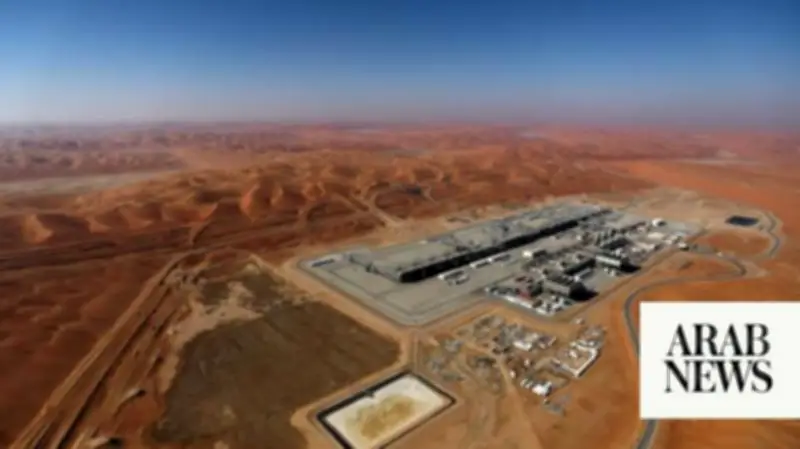
The East-West pipeline, built in the early 1980s, can transport up to 7 million barrels per day (bpd) of crude to the Red Sea port of Yanbu. According to Aramco's CEO in May, about 2 million bpd feed refineries on the west coast, while roughly 5 million bpd are for export.
Expansion Talks with Neighbors
The kingdom is in preliminary talks with some of its neighbors about a potential expansion of the pipeline's capacity by up to 2 million bpd, the sources said. It is unclear whether Aramco's planned capacity increase would involve upgrades to existing infrastructure or construction of a new pipeline. One source indicated the increase would include a smaller second pipe for oil products.

Kuwait, Bahrain, and Qatar all lack routes that can bypass Hormuz, while Iraq's pipeline to Turkiye, dogged by disputes and repeated shutdowns, runs well below capacity.
Kuwait's Interest
Kuwait Petroleum Corporation CEO Sheikh Nawaf Al-Sabah said at the Atlantic Council Global Energy Forum last month: “We are in discussions with our brothers in Saudi Arabia and in the emirates to look at how to expand the pipeline system that they have to accommodate Kuwaiti barrels.”
Scale and Challenges
The expansion could be for 1 million to 2 million bpd, two of the sources said, with refined products also under consideration. It would take years, cost billions of dollars, and require changes to Saudi crude's pricing mechanism, another source noted.
Context of the Iran War
Iran's blockade of the Strait of Hormuz forced Gulf producers to shut in as much as 12 million bpd, sending prices surging. Flows have resumed partially after a preliminary US-Iran deal last month, but remain below pre-war levels. Iraqi output collapsed from 4.3 million bpd to less than 1.5 million bpd in May, Kuwait declared force majeure in March, and Bahrain's Sitra refinery was struck by Iranian missiles several times.
Regional Strategic Shift
“The recent talks about new pipeline corridors involving Saudi Arabia, Kuwait and Qatar reflect a broader strategic reality. The conflict has focused minds regionally on the perils of relying solely on Hormuz,” said Zaid Belbagi, managing partner at London-based Hardcastle Advisory.
Aramco and Other Responses
Aramco declined to comment, while the Saudi and Bahraini government communications offices, the Iraqi oil ministry, and QatarEnergy did not respond immediately to requests for comment. Qatar, which mainly exports LNG, faces greater technical hurdles and is considering several potential alternatives, including via Saudi Arabia, three sources said.
UAE's Parallel Efforts
The UAE, the only other Gulf state with meaningful Hormuz-bypass capacity, has completed half of a new West-East pipeline that will double crude capacity to Fujairah when it becomes operational next year. Its existing Abu Dhabi pipeline carries up to 1.8 million bpd.
Potential Impact on Saudi-UAE Rivalry
An expansion by Saudi Arabia “suggests that after the war, the next phase of the Saudi-UAE rivalry could be a race to the top on oil production, and therefore a race to the bottom on prices,” one industry source said.