The crisis in the Strait of Hormuz has sent shockwaves through global sugar markets, as the blockade disrupts imports and re-exports in the Gulf region. Starting from April 1, as Brazilian mill operators began their new harvest season, the focus shifted from sugar to crude oil, which traded above $119 a barrel. This surge in oil prices made ethanol more valuable, prompting mills to divert sugarcane away from sugar production.
Brazil's Ethanol Shift
Brazil supplies approximately 45 percent of globally traded sugar. Each harvest, mills decide how much sugarcane goes to sugar versus ethanol, a unique mechanism that makes Brazil a swing producer for both sweetener and biofuel. When oil prices spike, this balance shifts rapidly. Consultancy Datagro had already projected that mills would reduce the cane share for sugar to 48.5 percent this season from 50.7 percent in 2025, even before the conflict began. The war accelerated this trend, with Brazil's government raising the ethanol blend in gasoline from 30 percent to 32 percent, targeting 35 percent by year-end. Industry estimates suggest this could push the ethanol share of cane to 54 percent this season.
Arnaldo Luiz Correa, CEO of Archer Consulting, explained to Arab News that Brazilian mills were already planning to direct more cane to ethanol due to depressed sugar prices. The Strait of Hormuz disruptions have further incentivized this diversion, with oil prices hovering around $100 a barrel, reducing global sugar supply.

Market Reactions and Diplomatic Efforts
On Tuesday, the situation remained uncertain. Following failed Islamabad talks and a fragile ceasefire, Tehran proposed reopening the strait in exchange for the US lifting its naval blockade and ending hostilities. The White House is examining the proposal, but tensions remain high. Raw sugar futures on ICE rose last Friday, ending a three-week losing streak, as traders focused on energy-driven supply constraints. However, prices remain 9.7 percent lower than a month ago and 22.2 percent lower than a year ago, reflecting the market's depression before the conflict.
Impact on Middle East Sugar Trade
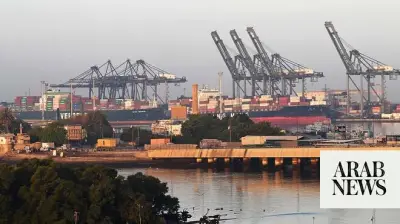
The Arab region is central to global sugar trade. In 2024, six MENA countries ranked among the top 30 sugar importers, led by the UAE ($1.28 billion), Saudi Arabia ($1.25 billion), Algeria ($1.1 billion), and Egypt ($975 million). Saudi Arabia's import volume grew 26 percent year-on-year. Al-Khaleej Sugar at Jebel Ali Port in Dubai, the world's largest standalone port-based sugar refinery, processes 1.8 million tons of raw cane annually. In 2024, it accounted for nearly 48 percent of all physical deliveries against the ICE White Sugar Futures contract.
The Gulf imports about 10 percent of global raw sugar through the Strait of Hormuz and re-exports around 5 percent of global refined sugar via the same route, according to sugar consultant Michael McDougall. The closure disrupts both ends of the chain, leaving raw sugar cargoes afloat and accelerating draw-downs in regional white sugar stocks. Refineries in Dubai, Iraq, Bahrain, and Iran are operating under constraints.
Logistical Challenges and Alternative Routes
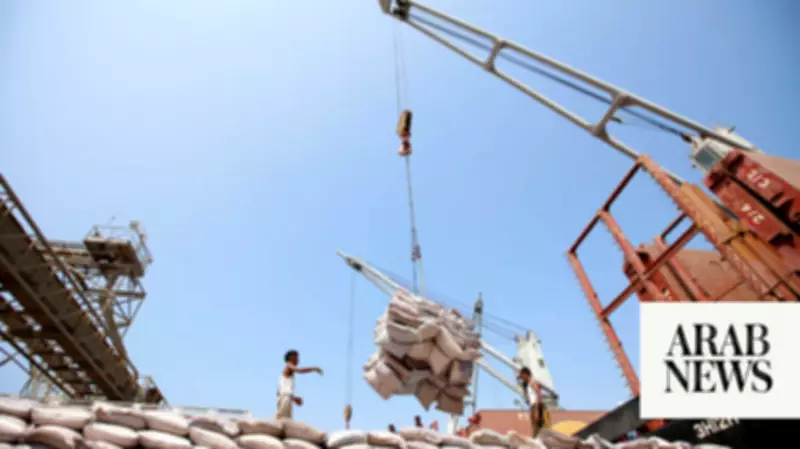
Sugar typically moves from Brazil, India, and Thailand to Gulf refineries, passing through the Strait of Hormuz. Now, war-risk surcharges of $2,000 to $4,000 per container are being imposed. Major carriers like Maersk, MSC, CMA CGM, and Hapag-Lloyd have suspended strait transit, diverting cargo to UAE's eastern ports of Fujairah and Khorfakkan, and Oman's port of Sohar. However, these ports lack Jebel Ali's capacity and are experiencing congestion and higher costs.
Al-Khaleej's managing director Jamal Al-Ghurair reassured markets that the refinery can use alternative ports and holds raw sugar reserves for up to two years. Saudi Arabia is rerouting shipments through Jeddah Islamic Port. But traders remain cautious, noting that some Omani facilities have been targeted in the conflict.

Broader Implications
Brazil's truckers, facing inflated diesel costs, have been circling industrial action since March. In 2018, a nine-day stoppage paralyzed the country's road network and forced force majeure declarations. However, Correa noted that a strike is not an imminent risk, as trucks within mill complexes are company-owned. Additionally, close to half of global urea exports originate from the Gulf, and fertilizer prices have risen 40 to 60 percent globally, affecting yields in Brazil, India, and Southeast Asia. Analysts also flag a strong probability of El Nino, bringing drought to Southeast Asia and threatening production in Thailand and India.
For now, the market prices disruption rather than shortage. The difference will depend on how long the strait remains closed and its impact on a region central to global sugar trade.