The Purchasing Managers' Index (PMI) for the United Arab Emirates, Egypt, and Kuwait in May 2026 revealed divergent trends in non-oil private sector activity. The UAE remained in expansionary territory, while both Egypt and Kuwait continued to contract, albeit at a slower pace. The S&P Global PMI data highlighted ongoing challenges such as supply chain disruptions, geopolitical tensions, and cost pressures.
UAE's Non-Oil Sector Shows Modest Growth
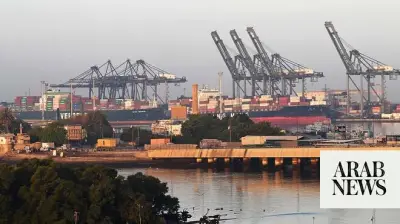
The UAE's headline PMI rose to 52.6 in May, up from 52.1 in April, indicating sustained but modest growth. However, the reading remained below the long-run average of 54.3, suggesting weaker growth compared to historical trends. Output growth hit a three-month high, supported by stronger market demand, project expansion, and government-backed initiatives. New business growth remained subdued, close to April's 62-month low, and export sales declined again, though at a slower pace. Supplier delivery times lengthened significantly due to restrictions in the Strait of Hormuz, affecting downstream sectors.
David Owen, principal economist at S&P Global Market Intelligence, noted that the continued disruption to maritime trade had a cascading effect on the UAE economy, with input deliveries delayed to levels not seen since the COVID-19 pandemic in April 2020. Purchasing activity fell for the first time in nine months, and inventories contracted slightly despite stockpiling efforts. Cost pressures remained elevated, with input prices rising at the second-fastest pace in almost two years, driven by higher material costs and transport fees. Firms lowered selling prices for the first time since June 2025 due to competitive conditions, and employment growth slowed to its weakest pace since October.

Dubai's non-oil sector showed modest improvement, with its PMI rising to 52 from 51.6 in April, but output growth weakened for a fifth consecutive month. The World Bank projects UAE real GDP growth of 2.4% in 2026, accelerating to 4.1% in 2027.
Egypt's Contraction Extends
Egypt's non-oil PMI rose to 47.1 in May from 46.6 in April, but remained below 50 for the fifth consecutive month, signaling continued deterioration. New orders fell for a fifth month, with the decline close to April's 37-month record, as high inflation dampened demand. Output also declined sharply, though at a slightly slower pace. Wholesale, retail, and service firms faced the sharpest pressure, while manufacturing and construction showed slight rebounds.
Input prices rose at the fastest pace since January 2023, driven by higher fuel and electricity costs, currency weakness, and wage pressures. Nearly half of surveyed firms reported higher input costs, and selling prices rose at one of the fastest rates on record. Owen highlighted that businesses responded with a historic surge in selling charges, with output price inflation reaching its second-highest in the survey's history. Egyptian firms cut jobs at the fastest pace since June 2020 through redundancies and attrition. Supply-chain disruption intensified, with delivery times lengthening at the fastest rate in nearly four years. Backlogs of work rose at the quickest pace since September 2023. Despite weaker demand, firms reduced purchasing only modestly and built up inventories at the fastest pace in nearly three years to hedge against expected price increases.
Business sentiment improved to its highest since August 2024, supported by hopes for better economic conditions and exchange-rate recovery, though inflation concerns persisted. The World Bank expects Egypt's real GDP growth of 4.3% in 2026, supported by private consumption, but warns of risks from geopolitical volatility and slower reforms.
Kuwait's Decline Eases
Kuwait's non-oil PMI rose to 47.2 in May from 46.3, reaching a three-month high, but remained below 50, indicating continued contraction. Output and new orders declined at much weaker rates than in April. Firms cited regional war effects and competitive pressures for falling output and new business. Advertising and promotional offers helped improve conditions in some cases, but export orders continued to fall sharply due to the conflict and border closure with Iraq.

Andrew Harker, economics director at S&P Global Market Intelligence, noted that while companies continued to face challenges, there were signs of a return to more normal business conditions in May, with output and new orders decreasing at much weaker rates and an improvement in business confidence. Kuwaiti companies reduced employment for a third consecutive month, though modestly. Firms also cut purchasing and inventories, with purchasing activity falling at the fastest pace since April 2020 and stocks of inputs declining at the sharpest rate since the survey began in September 2018.
Input costs rose for the first time since the start of the conflict, with firms reporting higher spending on advertising, rent, and spare parts. The rate of cost inflation was muted, but companies raised selling prices for a 15th consecutive month. Business confidence improved sharply to a three-month high, though some firms remained concerned about regional instability. Kuwait's outlook is closely tied to oil exports and shipping conditions, making it more exposed to disruption. The World Bank projects a 6.4% contraction in real GDP in 2026, before a rebound in 2027, assuming shipping constraints ease.