Ramazan Woes: Water, Power, and Gas Outages Persist Across Pakistan
As the holy month of Ramazan unfolds, millions of Pakistanis are grappling with relentless disruptions in essential utilities, including water, electricity, and gas supplies. Despite repeated assurances from government officials, there has been no respite from these outages, exacerbating the challenges faced by citizens during this period of fasting and reflection.
Widespread Utility Failures
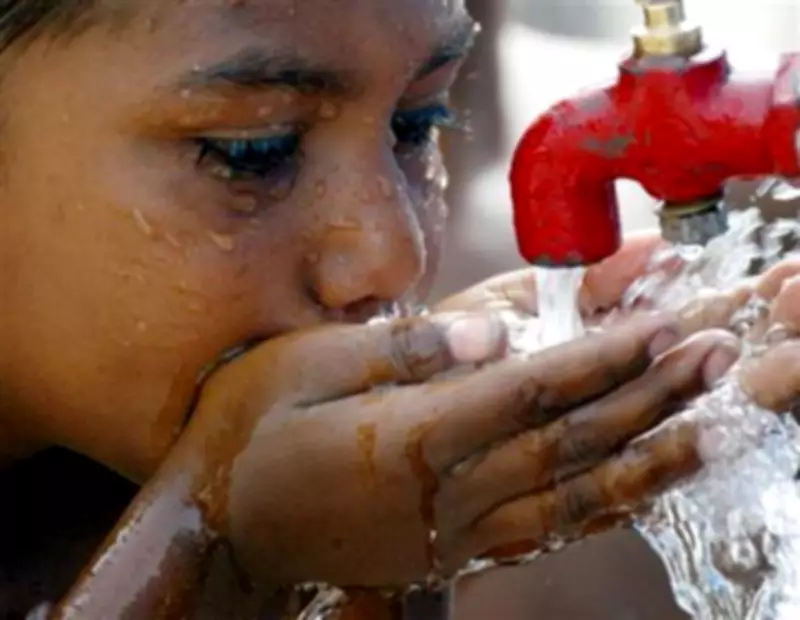
Reports from various regions indicate that water shortages have become a daily ordeal, with many households struggling to access clean water for drinking, cooking, and ablutions. In urban centers, erratic water supply schedules have left residents dependent on tankers, while rural areas face even more severe scarcity.
Simultaneously, power outages have intensified, with load-shedding lasting for hours in some localities. This not only disrupts daily routines but also affects businesses and religious activities, such as Taraweeh prayers, which rely on consistent electricity.

Gas supply issues have compounded the problem, particularly during Sehri and Iftar times when demand peaks. Many families report low gas pressure or complete cuts, forcing them to rely on alternative, often more expensive, cooking methods.
Government Response and Public Frustration
Government authorities have acknowledged the situation, citing factors like increased consumption during Ramazan, infrastructure limitations, and maintenance work. However, critics argue that these explanations offer little comfort to affected citizens who expected better planning and execution.
Public frustration is mounting, with social media platforms flooded with complaints and calls for immediate action. Some have organized protests, demanding reliable utility services as a basic right, especially during a month that emphasizes community and compassion.
Impact on Daily Life and Economy
The persistent outages are taking a toll on both personal and economic fronts. Households are spending more on generators, water tankers, and alternative fuels, straining already tight budgets. Small businesses, including restaurants and shops, are also suffering losses due to interrupted operations.
Health concerns have emerged as well, with waterborne diseases potentially rising due to contaminated water sources and storage issues. The lack of electricity and gas further complicates food preparation and storage, posing risks to public health.
Looking Ahead: Calls for Sustainable Solutions
Experts emphasize that short-term fixes are insufficient and call for long-term investments in utility infrastructure. Suggestions include upgrading water treatment plants, modernizing the power grid, and enhancing gas distribution networks to prevent future crises.
As Ramazan continues, the hope for relief remains dim unless concrete steps are taken. Citizens urge policymakers to prioritize utility reforms to ensure that such disruptions do not become a recurring theme in future holy months or beyond.