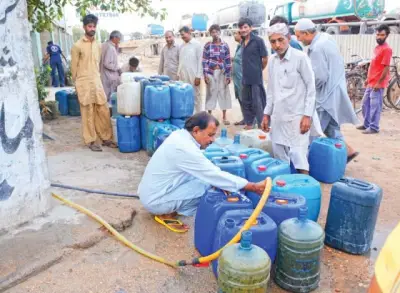
Fuel Price Increase Begins to Exert Pressure on Pakistan's Economy
The recent hike in fuel prices across Pakistan is now starting to show tangible effects on the national economy, with multiple sectors feeling the strain. This development comes as the government adjusted petroleum product rates, leading to increased costs for consumers and businesses alike.
Immediate Impact on Transportation and Logistics
The transportation sector has been hit hard by the fuel price rise. Public transport fares have seen an uptick, burdening commuters who rely on buses, rickshaws, and taxis for daily travel. Logistics companies are also reporting higher operational costs, which could translate into increased prices for goods and services nationwide. This chain reaction is expected to exacerbate inflationary pressures in the coming months.
Manufacturing and Industrial Sectors Face Challenges
Manufacturing units, particularly those in energy-intensive industries, are grappling with elevated production expenses. The rise in fuel costs directly impacts electricity generation and raw material transportation, squeezing profit margins. Experts warn that this could lead to reduced industrial output and potential job losses, further dampening economic growth prospects.

Inflationary Trends and Consumer Spending
Consumer price inflation is anticipated to climb as the fuel price hike trickles down to essential commodities. Items such as food, clothing, and household goods are likely to become more expensive, eroding purchasing power. Household budgets are under pressure, with many families forced to cut back on non-essential expenditures, which could slow down overall economic activity.
Expert Analysis and Future Projections
Economic analysts highlight that the fuel price increase is part of broader fiscal adjustments but caution about its timing and scale. If not managed carefully, this could lead to a slowdown in economic recovery efforts, especially post-pandemic. Recommendations include targeted subsidies for vulnerable sectors and measures to boost alternative energy sources to mitigate long-term dependency on imported fuel.
In summary, the fuel price hike is beginning to hurt Pakistan's economy across various fronts, from transportation and manufacturing to inflation and consumer spending. Stakeholders are calling for strategic interventions to cushion the impact and steer the economy towards stability.