A severe heat wave sweeping across Pakistan has claimed more than 100 lives over the past two weeks, with temperatures soaring above 50 degrees Celsius in several districts, according to officials and hospital reports. The extreme weather has overwhelmed healthcare facilities and raised alarms about the impacts of climate change in the region.
Death Toll and Affected Regions
At least 107 deaths have been recorded since June 20, with the majority occurring in Sindh province, where the city of Jacobabad recorded a high of 51°C. In Punjab, the city of Multan saw 48°C, leading to dozens of heatstroke cases. The Provincial Disaster Management Authority (PDMA) confirmed 68 deaths in Sindh and 39 in Punjab as of July 3.
“This is the worst heat wave we have seen in a decade,” said Dr. Shabnam Riaz, a health official in Lahore. “Hospitals are running out of beds and IV fluids as patients pour in with heatstroke and dehydration.”

Climate Change Attribution
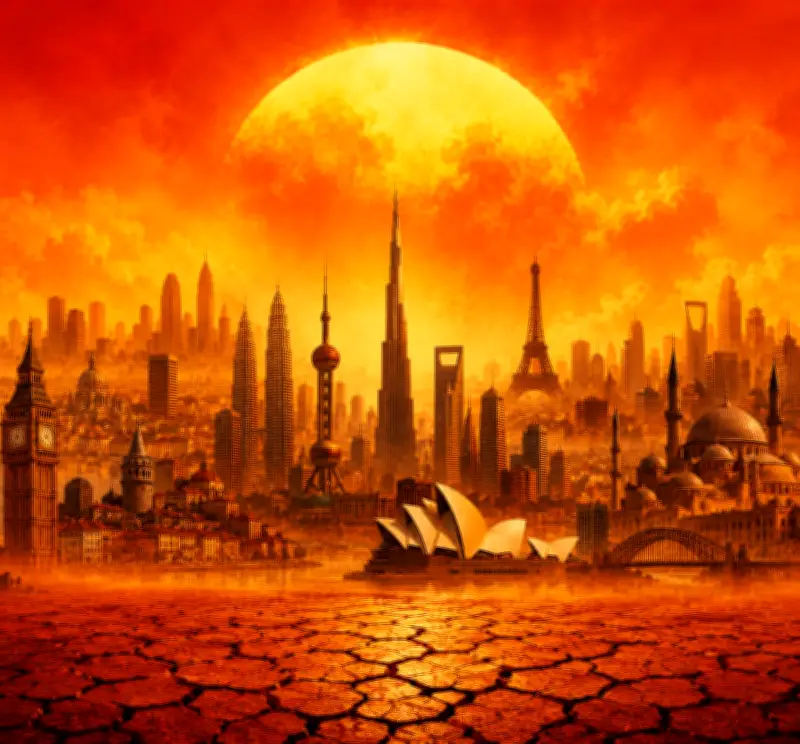
Scientists link the extreme temperatures to climate change, noting that Pakistan is among the countries most vulnerable to global warming. The World Meteorological Organization (WMO) stated that the heat wave is part of a broader pattern of rising temperatures in South Asia. “Heat waves are becoming more frequent and intense due to human-induced climate change,” said a WMO spokesperson.
The Pakistan Meteorological Department (PMD) forecasts that temperatures will remain above normal for the next week, with no significant relief expected. The PMD has issued heat wave warnings for several districts, advising people to stay indoors and stay hydrated.
Impact on Agriculture and Economy
The heat wave has also devastated crops, particularly in the cotton and wheat belts of Punjab and Sindh. Farmers report significant losses, with yields expected to drop by up to 30% this season. The Ministry of National Food Security estimated that the agricultural sector could face losses of over 50 billion rupees due to the extreme heat.
“Our fields are parched, and the heat is killing our livestock,” said farmer Muhammad Aslam from Rahim Yar Khan. “We are struggling to survive.”
Government Response
The federal and provincial governments have activated emergency response centers and set up heatstroke relief camps in major cities. The National Disaster Management Authority (NDMA) has distributed water and oral rehydration salts in affected areas. However, critics say the response has been inadequate, especially in rural areas where access to healthcare is limited.
“The government must do more to protect vulnerable communities,” said climate activist Amina Khan. “We need long-term adaptation strategies, not just emergency relief.”
As the heat wave continues, authorities urge the public to take precautions and check on elderly neighbors. The death toll is expected to rise as temperatures show no signs of abating.