Pakistan's inflation rate for the fiscal year 2025-26 was recorded at 7.05 percent, below the government's projection of 7.5 percent, according to data from the Pakistan Bureau of Statistics (PBS). This achievement came despite historic increases in oil prices, with petrol reaching Rs458.40 per liter and diesel Rs520.35 per liter on April 3, 2026.
Monthly Inflation Trends
The Consumer Price Index (CPI) based inflation slightly eased to 11.1 percent in June 2026 due to a reduction in oil prices. However, inflation had risen in preceding months: 10.9 percent in April, 11.7 percent in May, and 7.3 percent in March. On a month-on-month basis, it decreased by 0.3 percent in June 2026 compared to an increase of 0.5 percent in the previous month and 0.2 percent in June 2025.
Urban and Rural Inflation
Urban CPI inflation stood at 11.2 percent year-on-year in June 2026, while rural areas saw a 10.9 percent increase. The Sensitive Price Index rose by 5.46 percent, and the Wholesale Price Index (WPI) based inflation increased by 3.86 percent. The Ministry of Finance had anticipated inflation to remain within 11-12 percent for June 2026, as noted in its Monthly Economic Update and Outlook.

Breakdown by Categories
The 11.1 percent inflation breakdown showed food and non-alcoholic beverages up 9.38 percent, health charges up 7.59 percent, education up 8.3 percent, and utilities (housing, water, electricity, gas, fuel) up 15.5 percent. Alcoholic beverages and tobacco increased by 3.32 percent, clothing and footwear by 9.3 percent, furnishing and household equipment maintenance by 5.94 percent, recreation and culture by 0.09 percent, and restaurants and hotels by 5.38 percent.
Rural Price Changes
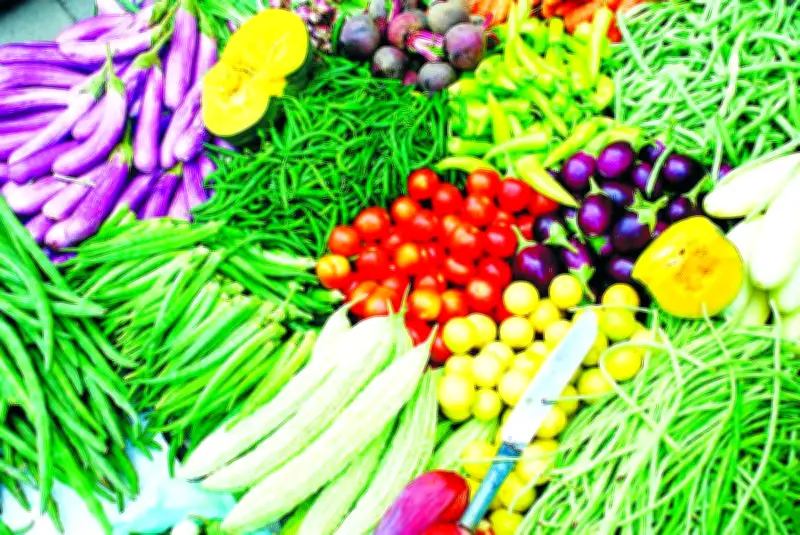
In rural areas, prices increased for tomatoes (90.24 percent), potatoes (36.53 percent), onions (22.26 percent), fresh vegetables (9.70 percent), readymade food (1.49 percent), wheat (1.11 percent), honey (1.01 percent), wheat flour (0.90 percent), milk products (0.83 percent), sweetmeat (0.70 percent), milk fresh (0.68 percent), sugar (0.61 percent), and vegetable ghee (0.57 percent). Non-food items with price increases included newspapers (14.29 percent), liquified hydrocarbons (8.65 percent), dopatta (4.04 percent), doctor clinic fee (2.34 percent), medical tests (2.22 percent), hospital services (2.01 percent), and construction wage rates (1.82 percent). Items that decreased in price included chicken (20.97 percent), eggs (11.55 percent), pulse gram (2.46 percent), besan (2.38 percent), pulse mash (1.83 percent), pulse masoor (1.59 percent), fresh fruits (1.48 percent), pulse moong (1.41 percent), and gram whole (1.05 percent).
Urban Price Changes
In urban areas, commodities with price increases included tomatoes (90.10 percent), onions (20.80 percent), potatoes (17.76 percent), fresh vegetables (12.55 percent), wheat flour (2.17 percent), wheat products (2.12 percent), vegetable ghee (1.85 percent), wheat (1.72 percent), cooking oil (1.53 percent), and milk fresh (1.27 percent).