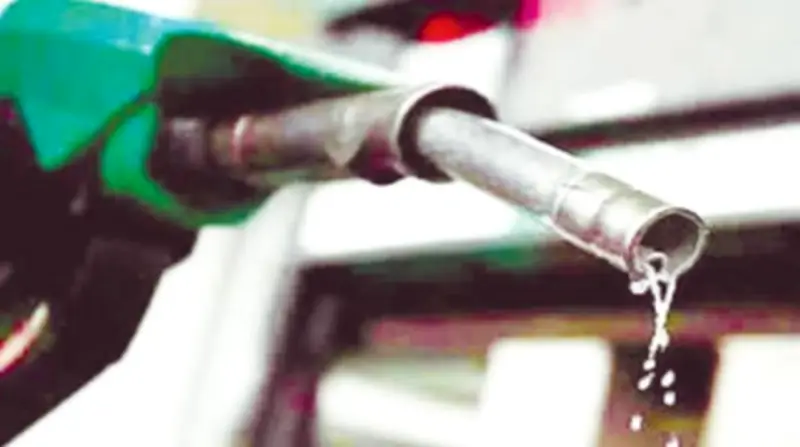
ISLAMABAD: Pakistan's inflation rate rose to 11.7 percent in May 2026, primarily due to higher oil prices in the country. According to data released by the Pakistan Bureau of Statistics (PBS) on Monday, the inflation rate has been climbing over the past few months, recording 10.9 percent in April and 7.3 percent in March.
Month-on-Month and Year-on-Year Trends
On a month-on-month basis, inflation increased by 0.5 percent in May 2026, compared to a 2.5 percent rise in the previous month and a 0.2 percent decrease in May 2025. The Consumer Price Index (CPI) inflation in urban areas stood at 11.8 percent year-on-year, while rural areas recorded 11.5 percent. During the first eleven months (July to May) of the current fiscal year, CPI inflation averaged 6.69 percent.
The Sensitive Price Index (SPI) increased by 4.81 percent, and the Wholesale Price Indicator (WPI) rose by 3.25 percent.

Breakdown of Inflation Components
The 11.7 percent inflation was driven by a 7.93 percent increase in food and non-alcoholic beverage prices. Health and education charges rose by 7.54 percent and 8.37 percent, respectively. Utility costs—including housing, water, electricity, gas, and fuel—surged by 16.78 percent. Alcoholic beverages and tobacco prices went up by 2.26 percent, clothing and footwear by 8.77 percent, and furnishing and household equipment maintenance by 5.12 percent. Conversely, recreational and cultural charges declined by 0.23 percent, while restaurant and hotel charges increased by 5.69 percent compared to May 2025.
Rural Price Movements
In rural areas, food items that saw price increases included wheat (7.10 percent), wheat flour (7.01 percent), potatoes (5.39 percent), ice cream (3.91 percent), milk products (3.13 percent), fresh milk (2.08 percent), dessert preparation (1.54 percent), meat (1.40 percent), beverages (1.18 percent), gur (1.08 percent), sweetmeat (1.06 percent), and vegetable ghee (0.93 percent). Non-food items with price hikes included garbage collection (10.15 percent), motor fuels (7.85 percent), doctor clinic fees (3.61 percent), water supply (3.55 percent), solid fuel (2.69 percent), washing soaps, detergents, and matchboxes (2.34 percent), hospital services (1.14 percent), and construction input items (1.11 percent).
Items that decreased in price in rural areas included tomatoes (38.39 percent), fresh vegetables (24.69 percent), chicken (7.20 percent), onions (6.18 percent), eggs (3.03 percent), beans (0.94 percent), honey (0.85 percent), fish (0.60 percent), pulse moong (0.40 percent), pulse mash (0.21 percent), and pulse masoor (0.14 percent).
Urban Price Movements
In urban areas, commodities with price increases included wheat flour (11.21 percent), wheat (7.78 percent), ice cream (5.49 percent), potatoes (4.01 percent), bakery and confectionery (2.40 percent), meat (2.25 percent), dessert preparation (1.84 percent), milk products (1.46 percent), fresh milk (1.41 percent), sweetmeat (1.37 percent), cooking oil (0.91 percent), and vegetable ghee (0.88 percent).
The Pakistan Stock Exchange (PSX) witnessed a bearish trend, losing over 3,362 points. Meanwhile, the government increased the price of LPG to Rs308.76 per kg for June, and the rupee gained 3 paisas.