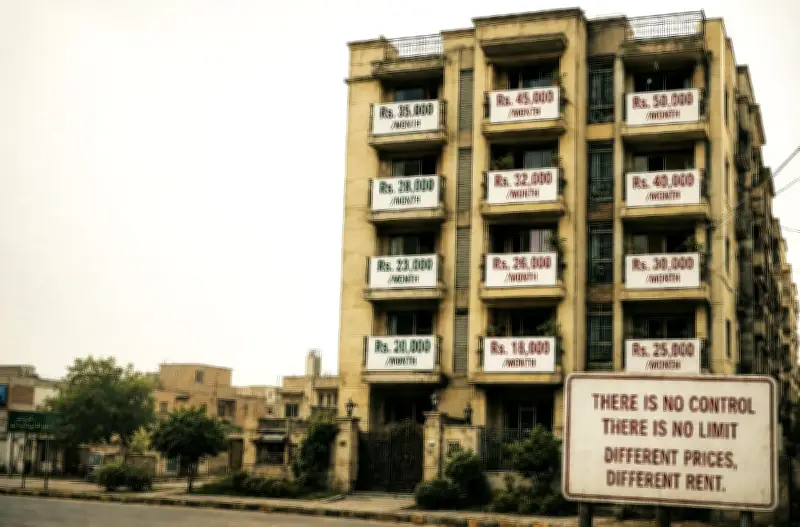
Rent Burdens Reach Crisis Levels for Pakistani Households
Rising rents across Pakistan are pushing the middle class into a financial trap, with many families spending up to 40% of their monthly income on housing, according to a recent study by the Pakistan Institute of Development Economics (PIDE). The report highlights that in major cities like Karachi, Lahore, and Islamabad, rents have surged by an average of 25% over the past two years, far outpacing wage growth.
"The middle class is being squeezed out of urban centers," said Dr. Ayesha Khan, lead author of the PIDE report. "Many families are forced to relocate to peripheral areas, increasing commute times and costs, which further strains their budgets."
Impact on Living Standards and Economic Mobility
The rent trap is not just a housing issue but a barrier to economic mobility. With a disproportionate share of income going to rent, families have less to spend on education, healthcare, and savings. The report notes that the average rent for a two-bedroom apartment in a middle-class neighborhood of Karachi has increased from PKR 25,000 to PKR 35,000 in two years, while wages have risen by only 5%.

"This is a structural problem," said economist Shahid Mahmood. "Unless we address the supply side of housing, the rent trap will continue to widen inequality."
Government Policies and Market Dynamics
The government has introduced several schemes to promote affordable housing, such as the Naya Pakistan Housing Project, but implementation has been slow. Critics argue that these projects are often located far from job centers and lack basic amenities. Meanwhile, the private sector focuses on luxury developments, leaving a gap for middle-income housing.
"The rent control laws are outdated and poorly enforced," said property analyst Raza Ali. "Landlords often demand advance rent of six months to a year, which is impossible for most families."
Social and Psychological Consequences
The financial strain of high rents is taking a toll on mental health. A survey by the Pakistan Psychological Association found that 60% of respondents in urban areas reported anxiety related to housing costs. "The constant worry about rent is affecting family relationships and productivity," said psychologist Dr. Fatima Zafar.
Young professionals are particularly affected, with many delaying marriage or having children due to housing insecurity. The PIDE report recommends increasing the supply of rental housing through public-private partnerships and revising building codes to allow for higher density.
Need for Comprehensive Reform
Experts agree that a multi-pronged approach is needed, including better urban planning, tax incentives for developers of affordable housing, and strengthening tenant protection laws. "Without immediate action, the rent trap will deepen social divides and hamper economic growth," warned Dr. Khan.
The report concludes that housing affordability must become a national priority, with targeted interventions to ensure that the middle class can afford a decent home without sacrificing other essentials.