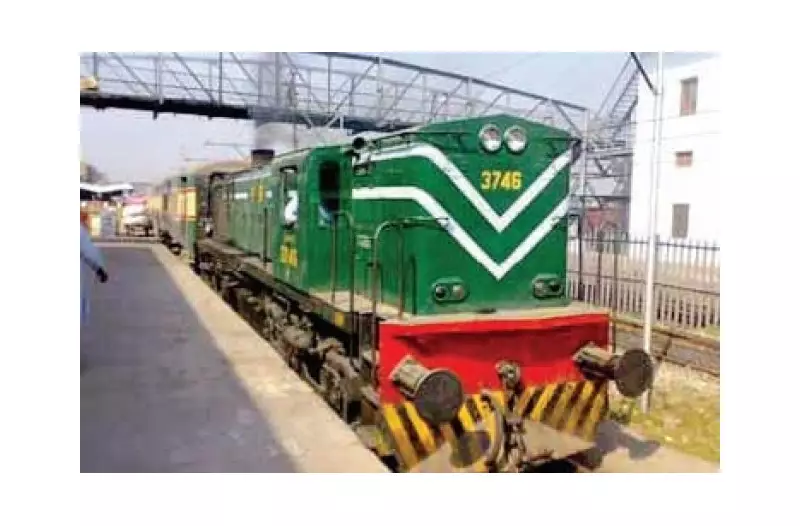
In a significant development that could revolutionize Pakistan's transportation infrastructure, China is actively considering substantial investments in Pakistan Railways through the Build-Operate-Transfer (BOT) model. This strategic move represents a major expansion of the China-Pakistan Economic Corridor (CPEC) framework and underscores deepening economic ties between the two allied nations.
Transformative Investment on the Horizon
According to reliable sources within the railway ministry, Chinese authorities have expressed strong interest in modernizing Pakistan's railway network through this innovative financing approach. The BOT model would allow Chinese companies to build, operate, and maintain railway infrastructure before eventually transferring ownership back to Pakistan after an agreed-upon period.
Strategic Importance of Railway Development
The proposed investment comes at a crucial time when Pakistan Railways is seeking to upgrade its aging infrastructure and expand its operational capacity. Key areas of focus include:

- Modernization of mainline tracks and signaling systems
- Introduction of high-speed freight corridors
- Enhancement of passenger service facilities
- Development of integrated logistics hubs
- Implementation of advanced railway safety systems
Economic Implications and Job Creation
This potential investment is expected to generate significant economic benefits for Pakistan, including:
- Massive employment opportunities during construction and operational phases
- Enhanced regional connectivity for trade and commerce
- Reduced transportation costs for goods and passengers
- Technology transfer and skill development for local workforce
- Boost to related industries including manufacturing and logistics
Strengthening Pak-China Economic Partnership
The railway investment initiative demonstrates the evolving nature of China-Pakistan cooperation, moving beyond traditional infrastructure projects toward more sophisticated financing models. This approach aligns with Pakistan's broader economic reform agenda and China's Belt and Road Initiative objectives.
"This represents a win-win situation for both countries," noted a senior official familiar with the discussions. "Pakistan gets much-needed infrastructure modernization while Chinese companies gain valuable operational experience in international markets."
Next Steps and Implementation Timeline
While formal agreements are still in development stages, both sides have established working groups to conduct feasibility studies and prepare detailed project proposals. The initial phase is expected to focus on key railway corridors that show the highest potential for both commercial returns and strategic importance.
The successful implementation of this initiative could serve as a model for future infrastructure partnerships between Pakistan and other international investors, potentially unlocking billions of dollars in foreign direct investment across multiple sectors of Pakistan's economy.