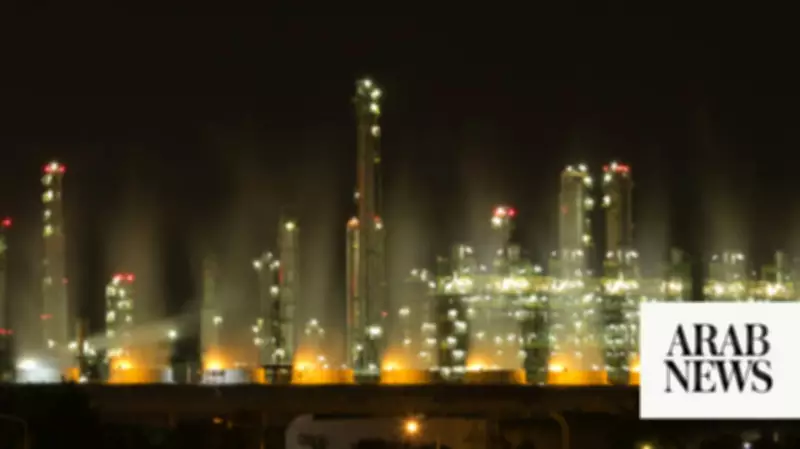
Saudi Arabia's exports of chemical products and related industries surged 18 percent year on year to nearly SR6.92 billion ($1.84 billion) in February 2026, according to official data released by the Kingdom's General Authority for Statistics. The increase reflects stronger global demand and the country's growing role as a major chemical producer.
Month-on-Month Growth
Compared to January 2026, chemical exports rose by SR547.9 million, or 9 percent month on month. The sector accounted for 22 percent of Saudi Arabia's total non-oil exports, which reached SR31.6 billion during the month, as per an analysis by Argaam.
Regional and Global Position
The Kingdom contributes 51 percent of total manufacturing gross domestic product in the Gulf Cooperation Council, making it a major industrial hub in the region. Saudi Arabia also accounts for 1.6 percent of global chemical sales, placing it among the top 10 producers worldwide, according to the Gulf Petrochemicals & Chemicals Association.

National Industry Strategy
The National Industry Strategy outlines plans to expand the chemicals sector over the next decade. The strategy aims to quadruple downstream output by 2035, add an estimated SR58.2 billion to the economy, and create around 108,000 jobs through localization.
Top Export Destinations
Australia was the largest importer of Saudi chemicals, receiving nearly SR760.8 million worth, or 11 percent of total chemical exports. It was followed by India with a 10 percent share, according to the Argaam analysis.
Import Trends
The report further indicated that the Kingdom's imports of chemical products and related industries reached SR6 billion in February, down 7 percent year on year. Chemical and industrial products accounted for 8 percent of total imports in February, while total imports reached SR76.1 billion.
Production and Economic Impact
The Kingdom currently accounts for around 4.7 percent of global chemical production, primarily in basic and intermediate petrochemicals. The chemicals sector supports a wide range of industries, including construction, automotive, healthcare, and packaging. Expanding these segments helps reduce dependence on crude oil revenues, diversifies the industrial base, and fosters long-term skilled employment.
Saudi Arabia has a strong foundation in petrochemicals, supported by competitive energy prices, ready access to raw materials, and large industrial zones capable of scaling production efficiently. Together, these factors help reduce operating costs and enable the development of both basic and advanced chemical products for export.