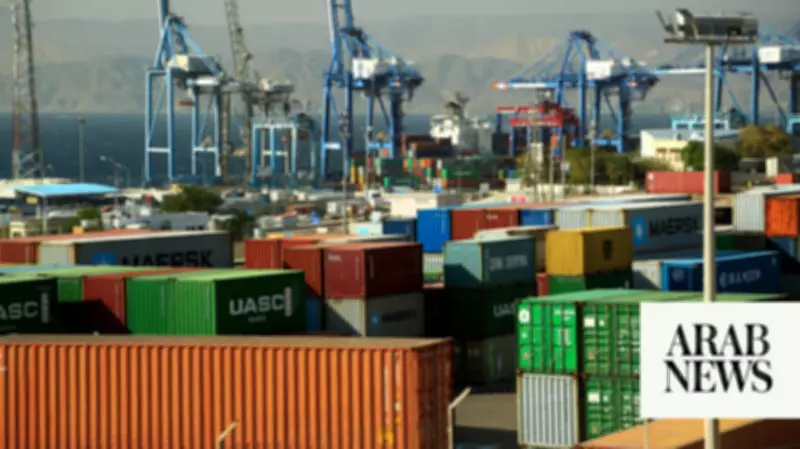
Jordan's domestic exports experienced a 3 percent increase during the first two months of 2026, signaling steady external demand, although a significant decline in re-exports resulted in a slight overall downturn in total shipments.
Overall Trade Performance
According to data from the Department of Statistics, as reported by the Jordan News Agency (Petra), national exports reached 1.35 billion Jordanian dinars ($1.9 billion), while re-exports fell by 12.6 percent to 361 million dinars. Consequently, total exports edged down by 0.8 percent to 1.71 billion dinars compared to the same period last year.
Macroeconomic Context
Jordan's external trade performance occurs against a backdrop of relative macroeconomic stability. In February, S&P Global Ratings affirmed the country's 'BB-' sovereign rating with a stable outlook, citing progress on fiscal and structural reforms, resilient economic performance, and continued international support. The agency expects growth to reach approximately 3 percent in 2026, supported by improving regional trade and a recovery in tourism.

Import and Trade Deficit Trends
Imports decreased by 2.5 percent to 3 billion dinars during the first two months of 2026. As a result, the trade deficit narrowed to 1.29 billion dinars, a reduction of 65 million dinars, or 4.8 percent, compared to the same period in 2025. The ratio of total exports to imports improved to 57 percent, up from 56 percent a year earlier.
Monthly Data Highlights
February data showed weaker momentum. Total exports fell 6.8 percent year-on-year to 811 million dinars, with domestic exports dropping 4.9 percent and re-exports declining 13.4 percent. Imports rose 6 percent to 1.50 billion dinars, pushing the monthly trade deficit up 26.3 percent to 691 million dinars.
Key Commodities Driving Export Growth
Export gains were concentrated in key commodities. Shipments of raw potash surged 46.5 percent, while pharmaceuticals rose 17.6 percent and raw phosphates increased 16.2 percent. Clothing and accessories exports grew 6.4 percent, and fertilizers edged up 0.8 percent.
Import Composition Changes
On the import side, purchases of jewelry and precious metals jumped 37.6 percent, while plastics rose 9.2 percent and machinery and electrical equipment increased marginally. Conversely, imports of crude oil and derivatives declined 8.8 percent, machinery fell 7 percent, and vehicles and bicycles dropped sharply by 38.4 percent.
Geographical Trade Patterns
Export growth was driven by higher shipments to non-Arab Asian markets, including China, as well as to EU countries such as the Netherlands. Imports increased from the Greater Arab Free Trade Area countries and China.