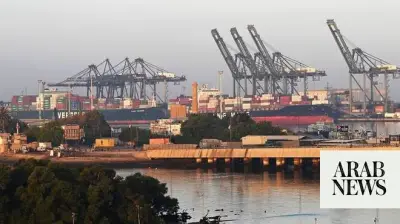
Pakistan and Kenya have achieved a landmark in their economic partnership as bilateral trade exceeded the $1 billion mark for the first time, reaching $1.023 billion, reflecting the steady expansion of commercial ties between the two countries and the success of sustained trade diplomacy. Pakistan’s exports to Kenya also reached a historic high during the just-concluded fiscal year 2025-26, climbing to $434.7 million, the highest level ever recorded in the history of bilateral trade between the two nations, Pakistan’s embassy in Kenya said yesterday.
Milestone Reflects Strengthening Economic Relationship
The milestone highlights the strengthening Pakistan-Kenya economic relationship and underscores the sustained efforts of the Commercial Wing of the High Commission of Pakistan in Nairobi to expand market access for Pakistani products and facilitate greater business-to-business engagement. According to Commercial Counsellor Adeela Younis, the achievement reflects years of consistent engagement with Kenyan government institutions, chambers of commerce, trade organisations and the private sector aimed at creating new opportunities for Pakistani exporters and strengthening bilateral commercial cooperation.
Key Initiatives Drive Record Growth
Over the past two years, Pakistan’s trade mission has undertaken a series of initiatives that have significantly contributed to the record growth in exports and overall trade volume. Among the key accomplishments was the successful organisation of several merit-based business delegations and the facilitation of Kenyan buyers’ participation in five major trade exhibitions held in Pakistan. These included FoodAg, HEMS, PATDC, TEXPO, and WHX, organised by the Trade Development Authority of Pakistan. The exhibitions resulted in on-the-spot commercial agreements worth millions of US dollars between Kenyan importers and Pakistani exporters, further boosting trade momentum.

Rice Customs Valuation Reduced to Boost Competitiveness
Another major breakthrough came through sustained engagement with the Kenya Revenue Authority, which agreed to reduce the customs valuation of Pakistani rice from $615 per tonne to $450 per tonne. The revision significantly enhanced the competitiveness of Pakistani rice in the Kenyan market and strengthened Pakistan’s position as an important supplier of agricultural commodities.
Pharmaceutical Sector Gains Market Access
The commercial mission also played a pivotal role in facilitating the inspection and registration of more than 35 Pakistani pharmaceutical companies by Kenya’s Pharmacy and Poisons Board, paving the way for increased exports of pharmaceutical products to the East African nation.
Institutional Cooperation Gains Momentum
Institutional cooperation between the two countries has also gained momentum. During the past two years, Pakistan and Kenya successfully convened the second Pakistan-Kenya Joint Trade Committee (JTC) meeting, marking the first time the mechanism was held in person. The meeting provided a platform for addressing trade-related issues, identifying new areas of collaboration and enhancing economic cooperation. Negotiations on a proposed Free Trade Agreement (FTA) between Pakistan and the East African Community are also progressing, with officials expressing optimism that the agreement will further strengthen Pakistan’s trade footprint across East Africa and provide exporters with improved market access.
Geographical Indication Case for Basmati Rice
Another important development remains the ongoing case concerning the geographical indication (GI) status of Pakistani Basmati rice, with officials expressing confidence that the outcome will be favourable for Pakistan and further enhance the country’s export prospects.
Future Outlook
The record-breaking trade figures underscore the growing depth of Pakistan-Kenya economic relations and reflect the impact of sustained commercial diplomacy, institutional engagement and expanding private-sector collaboration. With bilateral trade now exceeding the US$1 billion threshold for the first time, both countries are expected to build on the momentum through deeper economic cooperation, increased investment and broader market integration in the years ahead.