Cartoons have long been a powerful medium for social commentary, using humor and satire to reflect the ironies of everyday life. In Pakistan, cartoons have played a significant role in shaping public opinion and providing a lighthearted yet critical view of societal norms.
The Art of Satire
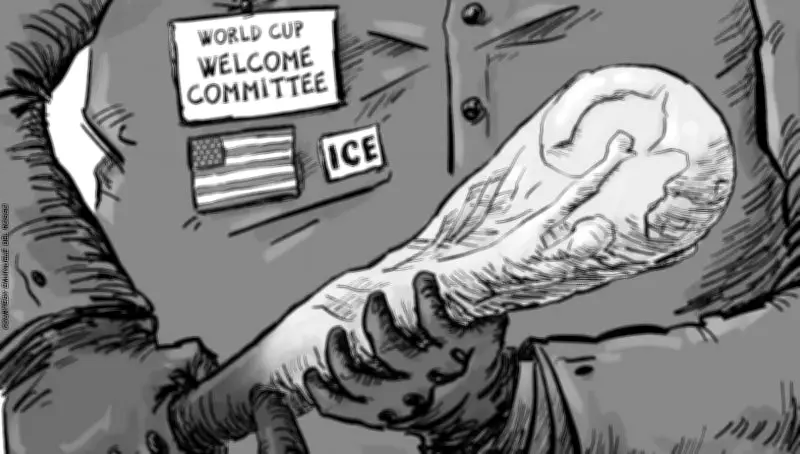
Satirical cartoons often tackle political and social issues, using exaggerated characters and scenarios to highlight absurdities. They serve as a form of resistance and a tool for change, allowing artists to express dissent in a visually engaging manner.
From newspaper strips to digital animations, cartoons have evolved with technology, reaching wider audiences. Social media platforms have become a new home for cartoonists, where their work can go viral and spark discussions.

Cultural Significance
In Pakistan, cartoons reflect the country's diverse culture and complex social fabric. They address topics such as corruption, poverty, and gender inequality, often with a touch of humor that makes the message more palatable.
Cartoonists in Pakistan face challenges, including censorship and backlash, but their work remains vital. They provide a voice for the voiceless and hold those in power accountable.
The Future of Cartoons
As digital media continues to grow, cartoons will adapt, incorporating interactive elements and multimedia. The essence of cartooning—capturing truth through humor—will endure, reminding us not to take life too seriously.