Understanding the Mayan Calendar System
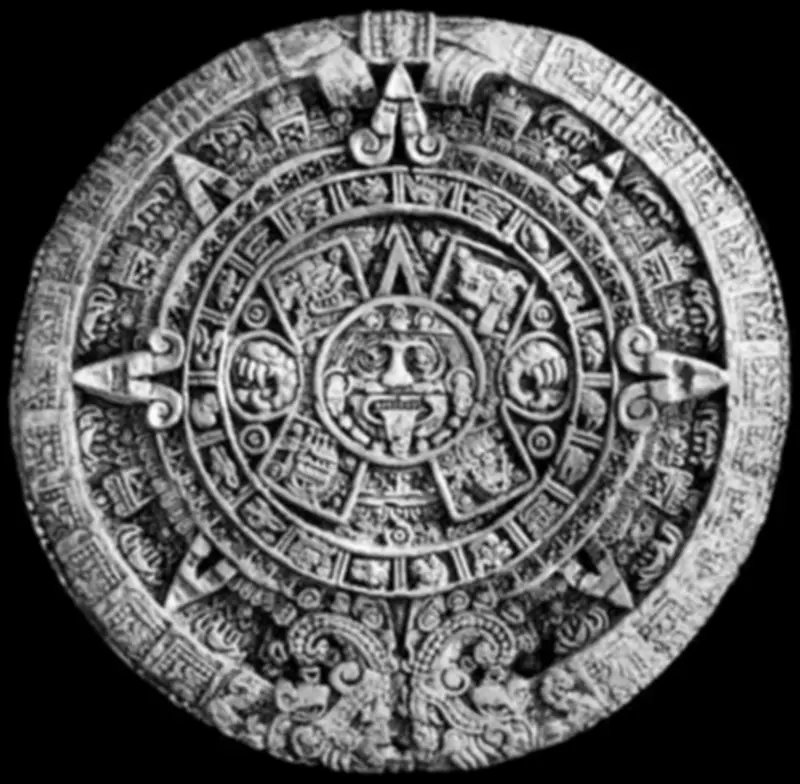
The Mayan calendar is an intricate timekeeping system developed by the Maya civilization, which flourished in Mesoamerica. The Maya were renowned for their advanced understanding of astronomy and mathematics, which they applied to create multiple interlocking calendars. The most notable of these are the Tzolk'in, a 260-day ceremonial calendar, and the Haab', a 365-day solar calendar. Together, these calendars formed a Calendar Round that repeated every 52 years.
The Long Count Calendar and Historical Time
In addition to the cyclical calendars, the Maya used the Long Count, a linear calendar that tracks historical time in units called baktuns. Each baktun spans approximately 394 years. The Long Count was used to record significant historical events and mythological dates. Its accuracy in tracking celestial movements, agricultural cycles, and ritual events is widely celebrated by scholars.
The 2012 Phenomenon and Modern Misconceptions
The end of a 13-baktun cycle in the Long Count on December 21, 2012, garnered widespread modern attention. This led to speculations about apocalyptic prophecies, fueled by media and popular culture. However, Mayan descendants and experts emphasized that the date marked a transition to a new cycle, not a cataclysmic event. According to Mayan elders, the calendar's completion was a time for renewal and reflection, highlighting its cultural and spiritual depth.

Cultural and Spiritual Significance
The Mayan calendar remains a vital part of indigenous heritage. It reflects the Maya's deep connection to nature and the cosmos. The calendar's cycles are still used by some communities for agricultural planning and ceremonial purposes. The 2012 misinterpretation underscores the importance of understanding ancient systems within their cultural context, rather than through sensationalism.