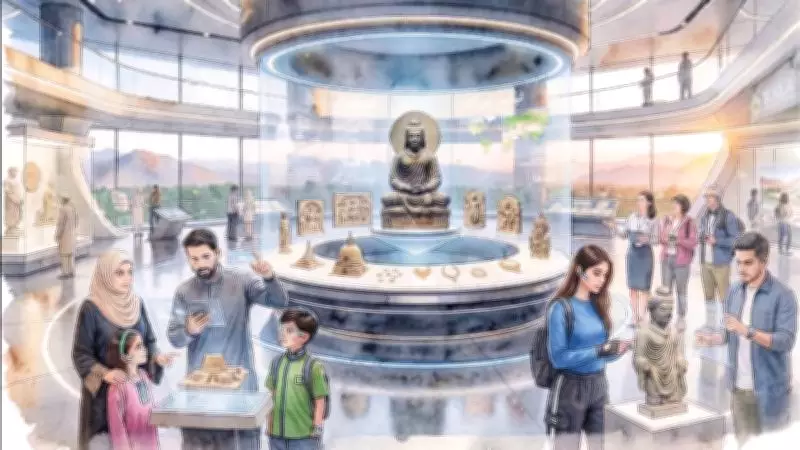
The Taxila Crossroads Master Plan 2055 represents a comprehensive strategy to safeguard and repurpose the rich archaeological heritage of the Taxila region, one of Pakistan's most significant historical areas. This plan addresses the challenges of urban expansion while ensuring the preservation of ancient Buddhist monasteries, stupas, and other relics dating back to the Gandhara civilization.
Key Objectives of the Master Plan
The master plan outlines several core objectives aimed at balancing development with conservation. These include the establishment of buffer zones around heritage sites, the integration of heritage into urban planning, and the promotion of sustainable tourism. The plan also emphasizes community engagement and the repurposing of heritage structures for modern use, such as museums, cultural centers, and educational facilities.
Protecting Archaeological Sites
One of the primary goals is to protect the numerous archaeological sites scattered across Taxila, including the famous Dharmarajika Stupa, the Jaulian monastery, and the Sirkap city ruins. The plan proposes strict regulations on construction near these sites and the creation of green belts to prevent encroachment. Additionally, it calls for improved site management and the use of modern technology for monitoring and preservation.

Repurposing Heritage for Modern Needs
The master plan also focuses on repurposing heritage buildings and sites to serve contemporary purposes. For instance, old colonial-era structures could be transformed into community centers or artisan workshops, while ancient trade routes could be revived as heritage trails. This approach not only preserves the past but also generates economic opportunities for local communities.
Challenges and Opportunities
Implementing the master plan faces several challenges, including funding constraints, lack of public awareness, and conflicting interests between developers and conservationists. However, the plan also presents opportunities for international collaboration, as Taxila is a UNESCO World Heritage Site. Partnerships with global heritage organizations could provide technical expertise and financial support.
Community Involvement
A crucial aspect of the plan is involving local communities in heritage preservation. Educational programs and incentive schemes are proposed to encourage residents to protect archaeological sites and participate in sustainable tourism initiatives. By making heritage a source of pride and livelihood, the plan aims to ensure long-term conservation.
Sustainable Tourism Development
The master plan envisions a sustainable tourism model that minimizes environmental impact while maximizing cultural exchange. This includes developing visitor centers, improving infrastructure, and promoting off-peak travel. The goal is to make Taxila a model for heritage tourism in Pakistan, attracting both domestic and international visitors.
Conclusion
The Taxila Crossroads Master Plan 2055 is a forward-looking initiative that seeks to harmonize urban growth with heritage preservation. By protecting archaeological treasures and repurposing them for modern use, the plan not only safeguards Pakistan's cultural legacy but also fosters economic development and community well-being. Its success will depend on coordinated efforts between government agencies, heritage experts, and local stakeholders.