Pope Leo Issues Stark Declaration on War and Prayer
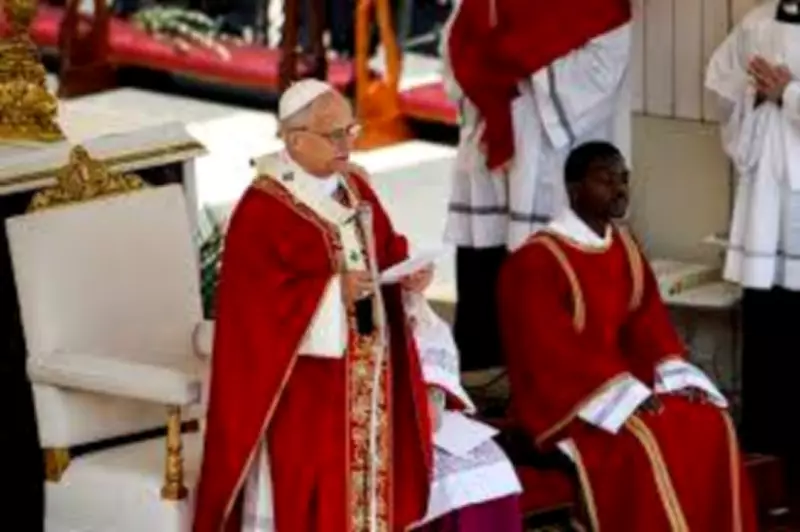
In a profound and widely reported address, Pope Leo has delivered a message that resonates across religious and political spheres, stating unequivocally that God rejects the prayers of leaders who wage wars. This declaration, made during a recent public appearance, underscores the pontiff's firm stance on the moral implications of conflict and the responsibilities of those in power.
The Core Message: A Divine Rejection of Hypocrisy
Pope Leo emphasized that when political or military leaders engage in acts of war, their subsequent prayers for divine guidance or blessing are fundamentally unacceptable to God. He argued that such actions represent a profound contradiction, where leaders seek spiritual solace while perpetuating violence and suffering. The pope's words highlight a critical ethical dilemma, suggesting that true faith must align with peaceful and just governance.
This statement is seen as a direct challenge to global figures who often invoke religious rhetoric to justify military campaigns. By asserting that God turns away from these prayers, Pope Leo calls for a reevaluation of how leadership intertwines with spirituality, urging a shift towards diplomacy and non-violent resolutions.

Context and Global Implications
The timing of this announcement is particularly significant, as it comes amid ongoing conflicts in various regions worldwide. Pope Leo's message serves as a moral beacon, reminding leaders of their duty to prioritize human life and peace over geopolitical ambitions. His words are expected to influence discussions in international forums, potentially prompting reflections on the ethical dimensions of warfare.
Moreover, this declaration reinforces the Catholic Church's long-standing advocacy for peace, aligning with previous papal encyclicals and initiatives aimed at reducing global tensions. It also resonates with interfaith dialogues, as many religious traditions share similar concerns about the misuse of power in the name of faith.
Reactions and Broader Impact
Reactions to Pope Leo's statement have been mixed, with some praising it as a courageous stand for morality, while others view it as overly simplistic in the complex realm of international relations. Nonetheless, the message has sparked widespread debate, drawing attention to the role of religion in politics and the need for accountable leadership.
In essence, Pope Leo's declaration is a call to action for leaders to embody the virtues they preach, ensuring that their prayers are not hollow gestures but reflections of genuine commitment to peace. As the world grapples with persistent conflicts, this message offers a poignant reminder of the higher moral standards expected from those in positions of authority.