Alain Bejjani's 'Next': Navigating Leadership in a World of Constant Change
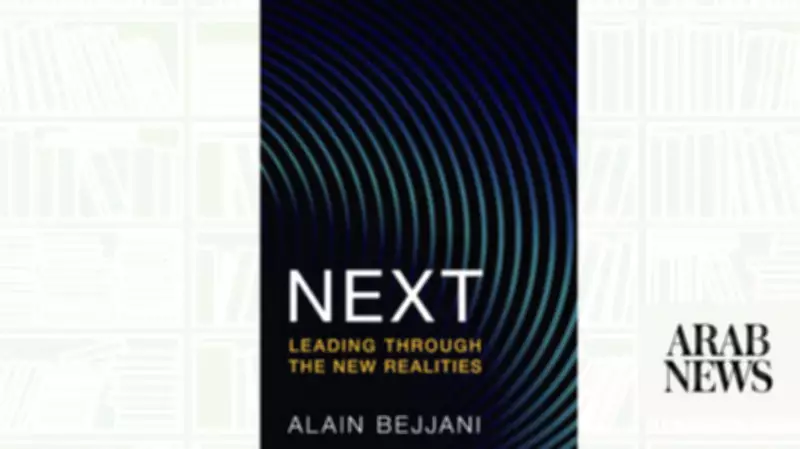
In his book Next, Alain Bejjani provides a profound examination of what it means to lead effectively in today's rapidly evolving world. Published by Whitefox Publishing, this work serves as both a memoir and a manifesto, drawing from Bejjani's personal journey from wartime Beirut to his role as the head of Majid Al Futtaim. He frames leadership not merely as a title or position but as a disciplined practice that requires a specific mindset, strong character, and the resilience to navigate through turbulent times.
The Four Defining Realities of the 21st Century
Bejjani structures his book around four key realities that are reshaping societies, economies, and institutions globally. These are not passing trends but fundamental structural shifts that leaders must address to remain relevant and effective.
- Continual Change: The pace of change is accelerating, requiring leaders to be agile and adaptable in their strategies and decision-making processes.
- The Rise of Artificial Intelligence: AI is transforming how humans interact, make decisions, and create, with Bejjani comparing its impact to the invention of writing.
- The Age of Talent: In an era where technology is ubiquitous, the real differentiator is human talent—the ability of individuals to learn, adapt, and ask insightful questions.
- Global Imperative for Sustainability: Environmental urgency demands that leaders prioritize sustainable practices to ensure a resilient future for generations to come.
Trust as the Bedrock of Leadership
A central theme in Next is the importance of trust, which Bejjani describes as the foundation of effective leadership. He illustrates this with a compelling example from the COVID-19 crisis, where his organization chose not to lay off employees despite widespread economic shutdowns. This decision not only reinforced credibility but also strengthened internal cohesion, demonstrating that trust is built through consistent actions, especially in times of need. Bejjani emphasizes that leaders must earn trust long before crises occur, as it is crucial for maintaining stability and morale.

The Middle Eastern Perspective and Global Leadership
Bejjani brings a unique Middle Eastern viewpoint to the discussion, highlighting the region's historical contributions to science and culture. He points out that the Middle East is currently undergoing a significant reinvention through energy transitions and investments in AI, positioning it to lead rather than follow global changes. This perspective adds depth to the book, encouraging leaders worldwide to consider diverse cultural insights in their approaches.
Conclusion: A Call to Action for Modern Leaders
Ultimately, Next is a timely guide for anyone seeking to lead with clarity amid uncertainty. Bejjani calls for leaders to cultivate courage, openness, and stewardship, reminding readers that the world is "as slow and simple now as it will ever be." By embracing the realities of disruption and focusing on human-centric values, leaders can help shape a more resilient and prosperous future.